How to Choose an E-commerce Agency: 8 Questions That Will Determine Your Choice

Price quotes look similar, everyone has references. How do you find out who will actually deliver? Here are 8 questions that will distinguish a good agency from an average one, even before signing the contract.
How to choose an agency for creating an e-shop: 8 questions that will decide
An e-shop is not an expense, it is an investment. And like any investment, you can do it well or poorly. The difference between a good and a bad choice of agency is not in the price of the offer. It lies in what’s behind it.
Most e-shops that end up needing a redo after a year or two don’t have a problem with technology. Their problem is that wrong decisions were made in the beginning regarding architecture, platform, or the supplier itself. According to Standish Group research, only 29% of IT projects end up being completed as originally planned, and one of the main reasons is poor supplier selection.
These are 8 questions that will help you choose an agency thoughtfully, not just based on price and a nice portfolio.
Why selecting an agency is harder than it seems
Offers look similar. Every agency has references, every one promises quality and an individual approach, and every one has star ratings on their website. How do you compare something that seems the same at first glance?
The answer lies in the details, which only become evident when you ask the right questions.
- Not “Show me your portfolio” but “What would you do differently on this project if you were doing it today?”
- Not “What’s the price?” but “What exactly does this price include and what does it not?”
Let’s get to it.
Question 1: Show me a project similar to mine and tell me about it
A portfolio alone doesn’t tell you anything. Anyone can show nice screenshots. What matters is what the agency says about the project, what the challenges were, why they made certain decisions and not others, what they would do differently. An agency that actually worked on a project can tell you about it. An agency that just took it over or had minimal involvement cannot.
What to look for in the answer: Specificity. Numbers, if they exist. Self-criticism. The ability to say, “Here we had a problem, here we learned.”
Question 2: Who exactly will be working on my project?
Agencies present a team, seniors, specialists, experienced developers. But who will actually be working on your project? A junior developer under supervision? An external freelancer? This is not a problem in itself, but you should know.
What to look for in the answer: Names and roles of specific people. Who will be your project manager, and will they be available directly to you?
Question 3: What is your process for changes during the project?
Almost every project undergoes changes during development. You discover new needs, the market changes, a better idea comes up. How does the agency handle these changes and at what cost?
What to look for in the answer: A clear change request process. Not “we’ll handle that for a fee” (this will later lead to conflict), but a specific procedure: the change will be evaluated, approved, and invoiced.
Question 4: What exactly is included in the price - and what is not?
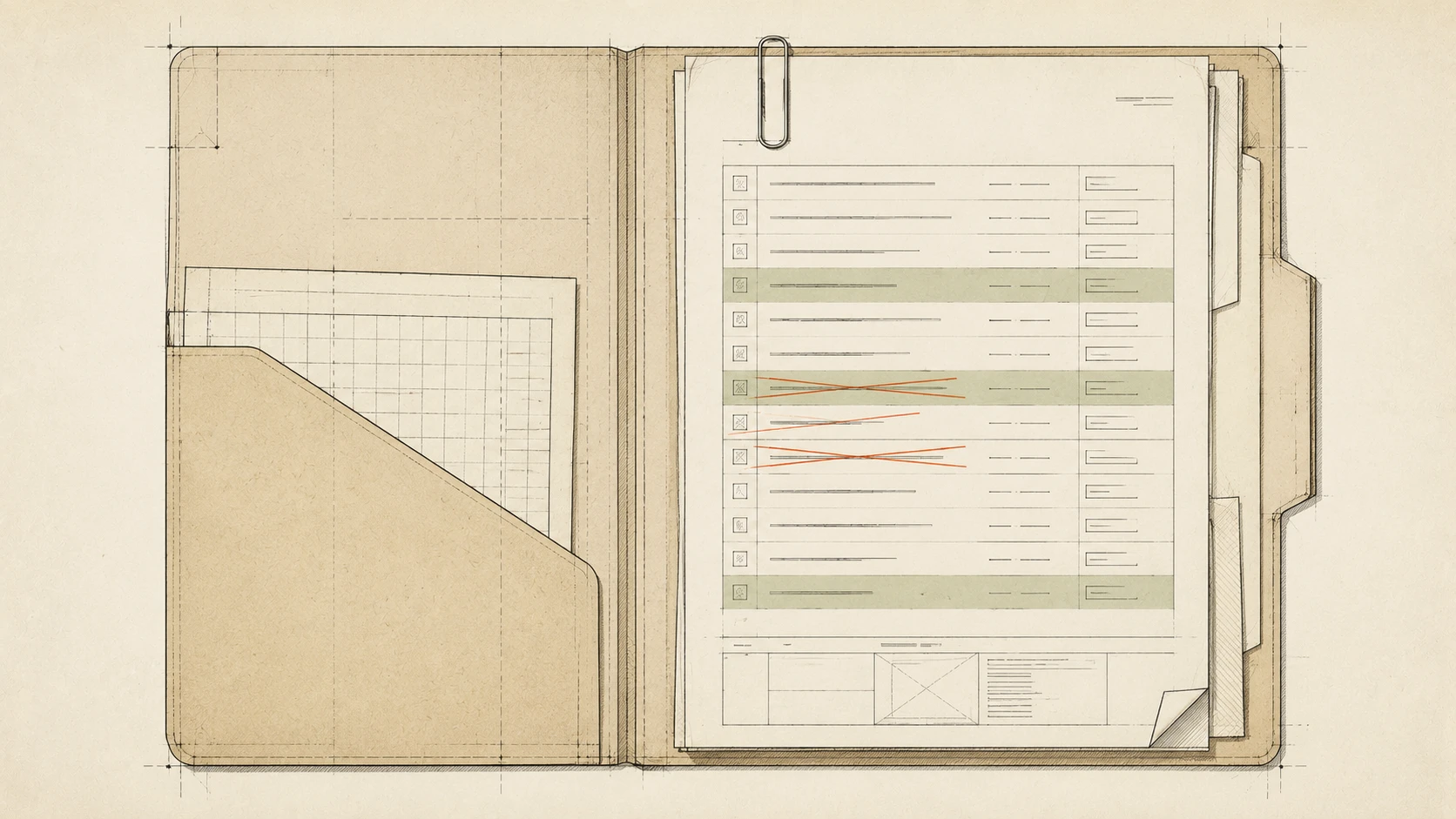
“Creating an e-shop for €4,000” can involve very different things. Are texts included in the price? Photos? Product uploads? SEO settings? Payment gateway integration? Administration training?
What to look for in the answer: A detailed scope of work - a list of what is and what is not included. If the agency does not know or does not want to specify, that's a red flag.
Question 5: What is your approach to SEO when creating an e-shop?
An e-shop that is not technically optimized for search engines will be handicapped from the start. Basic technical SEO, correct URL structure, meta tags, speed, sitemap, schema markup should be a standard part of every e-shop, not an extra charge. Google Search Central defines these technical basics as essential for any website.
What to look for in the answer: Specific technical SEO steps that they standardly perform. If the agency says “we’ll handle that separately,” check why it is not part of the basic offering.
Question 6: What happens if I am dissatisfied after delivery?
Guarantee and complaint process. How many days after delivery do they fix errors for free? What is considered a mistake and what is a new request?
What to look for in the answer: A clear guarantee in the contract, usually 30-90 days for fixing bugs. A definition of what is a bug (malfunction) vs. a change (new request). An agency without a guarantee or with a vague answer - consider.
Question 7: Who will own the code and design after completion?
This is a question people often forget and later regret. If the agency leaves or the cooperation ends, is the website 100% yours? Do you have access to everything? Can you hand it over to another supplier without issues?
What to look for in the answer: A clear yes - the code, design, database, all accesses are yours after payment. Any hesitation or reservations should be included in the contract.
Question 8: What does support look like after launch?
A website is not a one-off project. It needs updates, fixes, new features, technical monitoring. Does the agency offer ongoing support? For what flat fee? Or do they only work on a project basis and you are on your own after launch?
What to look for in the answer: Clear terms of post-launch support, monthly flat fee, hourly rate, or both. Knowing you have someone to call when something breaks has real value.
Red flags that should immediately deter you
- Price without any questions about your projecttemplate approach, not individual
- “We guarantee first place on Google”
- no one can guarantee that; if anyone promises it, they are lying
- No references or contacts from projects
- every agency should be able to provide you a contact for a satisfied client
- Contract without a defined scope of work
- without that you have no protection
- Agency that does not want to explain what they do
- a good agency wants to explain the process, not keep it secret
- Promises without numbers“we will significantly increase conversions” without knowing how and from where is an empty statement
What to compare when you have multiple offers
When you have 2-3 offers in front of you, do not just compare the price. Compare:
- Scope of work: What exactly does each offer include? A cheaper offer may turn out to be more expensive if it doesn’t include things that you later have to pay for.
- Timeline: Who has a more realistic timeline and who promises too quickly?
- Communication: How quickly and effectively did the agency respond to your questions? That’s a preview of what you will experience during the project.
- Feeling from the conversation: Did they understand your business? Did they ask the right questions? Did they suggest something you didn’t expect?
Price is one of the factors - not the only one.
Conclusion
Choosing an agency is a decision that will affect your business for years. A nice portfolio and a reasonable price are a good start but not enough. The right questions will reveal more than hours of browsing websites.
If you have a specific project and want to know how we would approach it, we would gladly chat about it. No sales pressure, with specific questions and answers. You can contact us directly here - I want to chat.




Selected projects
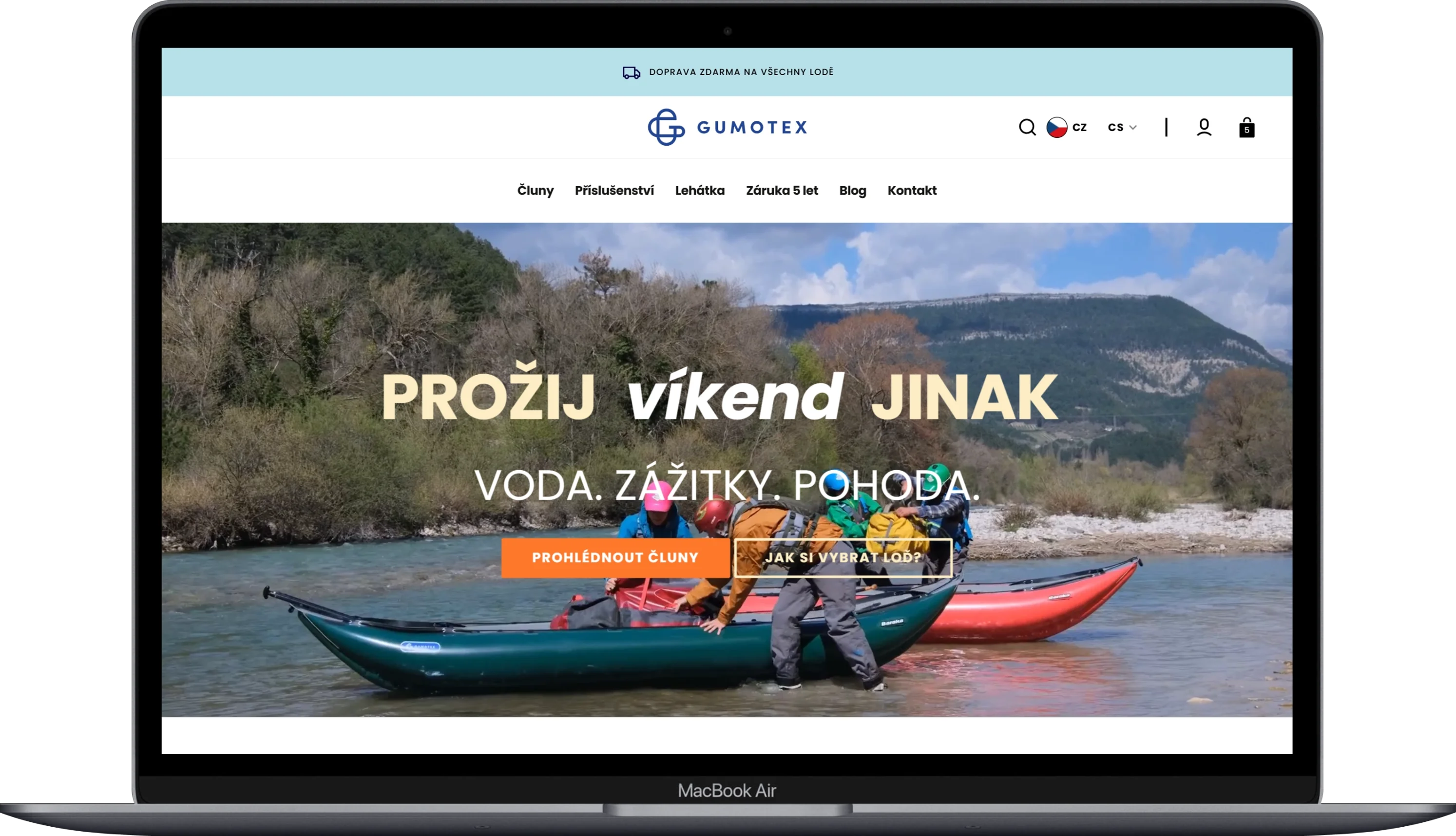
Gumotex
Category
E-commerce
Client
GUMOTEX Coating s.r.o.
Duration
4 months
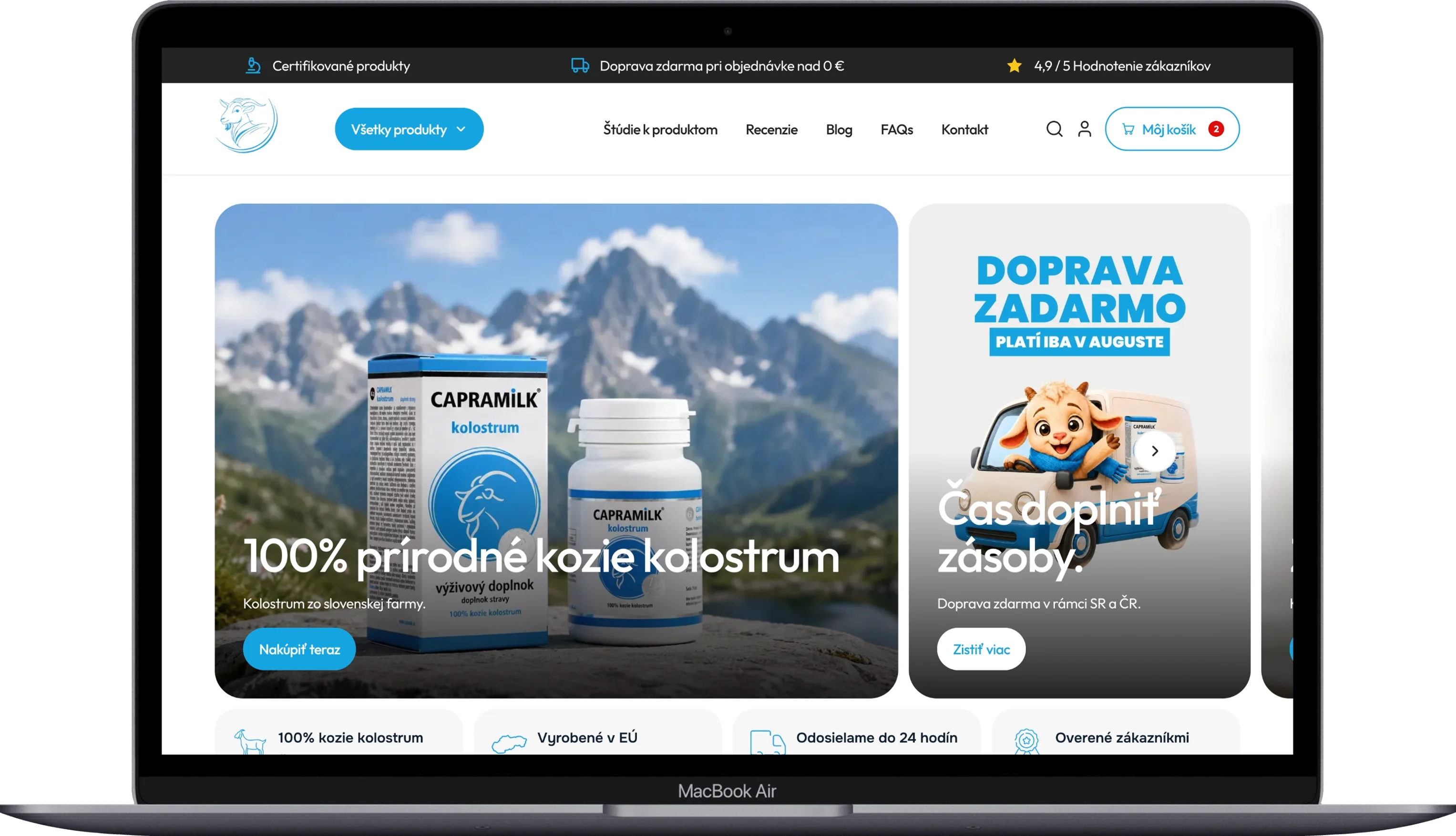
CapraKolostrum
Category
Custom Development
Client
CapraKolostrum
Duration
6 weeks
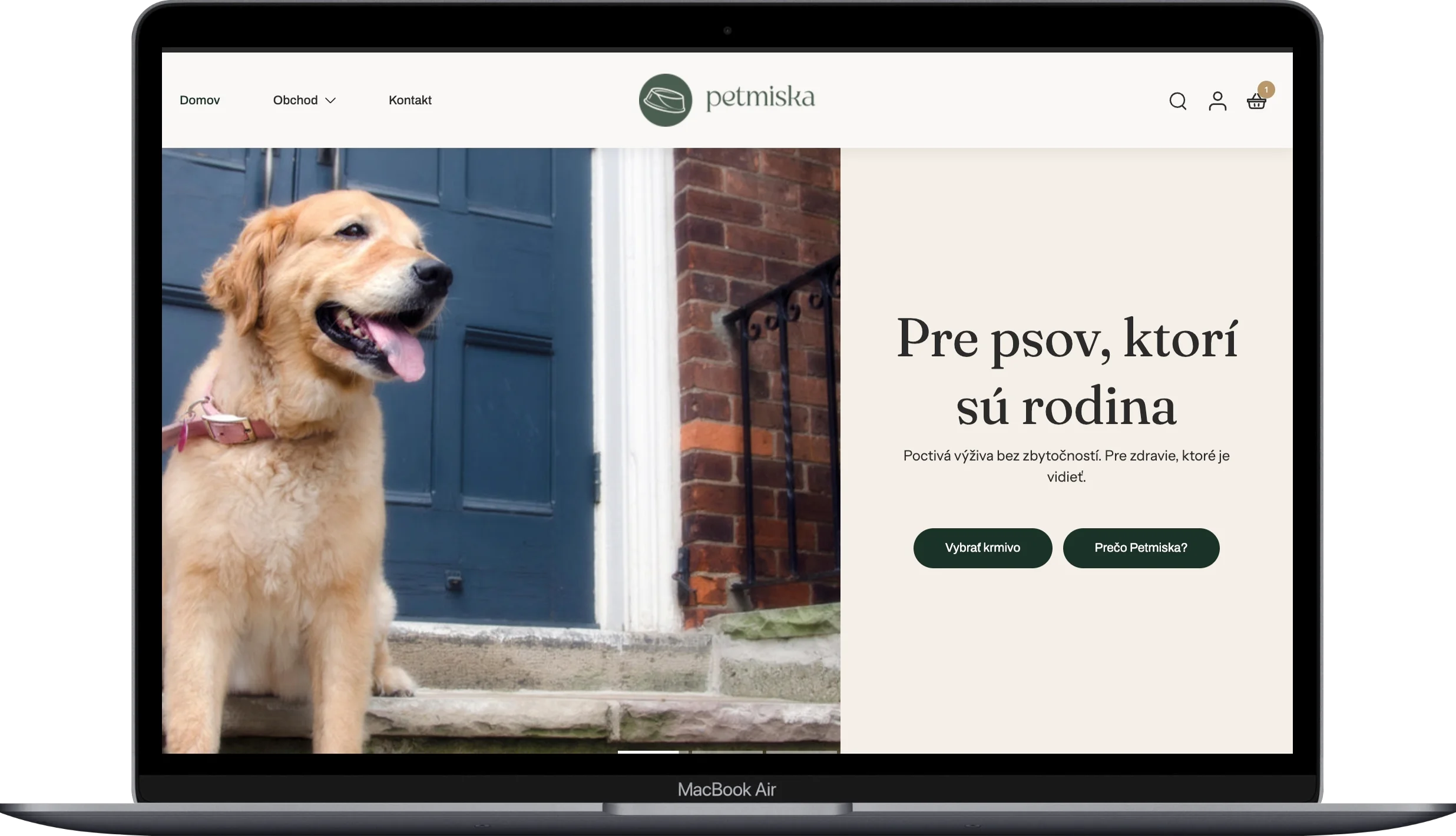
Petmiska
Category
E-commerce
Client
Next Point Company s. r. o.
Duration
2 months
Dr. LUCULLUS
Category
Custom Development
Client
Dr. Lucullus MEDICAL
Duration
March 1, 2025 - present