Punchout catalog: what it is and why your B2B customers will demand it soon

Punchout catalog is not just a technical feature – it is the way enterprise customers want to shop with you. Find out how it works, why its adoption is growing, and what it means for your B2B e-shop.
Punchout catalog: what it is and why your B2B customers will soon require it
Imagine the situation: a large corporation is interested in purchasing from you regularly, in large volumes. However, the buyer from their company will never leave their internal procurement system – whether it's SAP Ariba, Coupa, or Jaggaer. Every order must go through this environment, have an assigned approval workflow, and be automatically posted into their ERP. When you send them a link to your e-shop and say "order here," the response will be silent. It simply does not fit into their process.
This is not an exceptional situation. According to Gartner, 80% of B2B sales interactions will move to digital channels by the end of 2025 – and an increasing portion of them will take place not through free e-shops, but through the buyers' integrated procurement platforms. If your e-shop cannot communicate with these platforms, you simply do not exist for a certain segment of customers.
This is where punchout catalogs come into play.
What is a punchout catalog
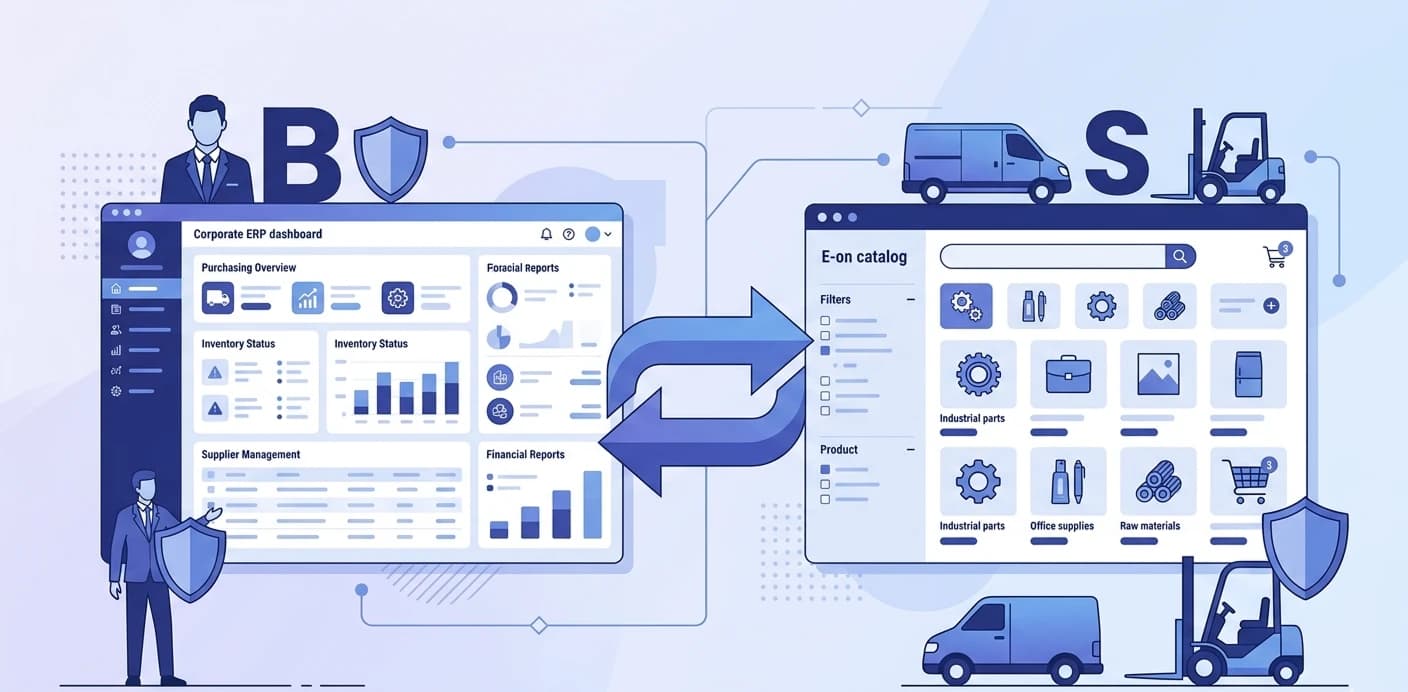
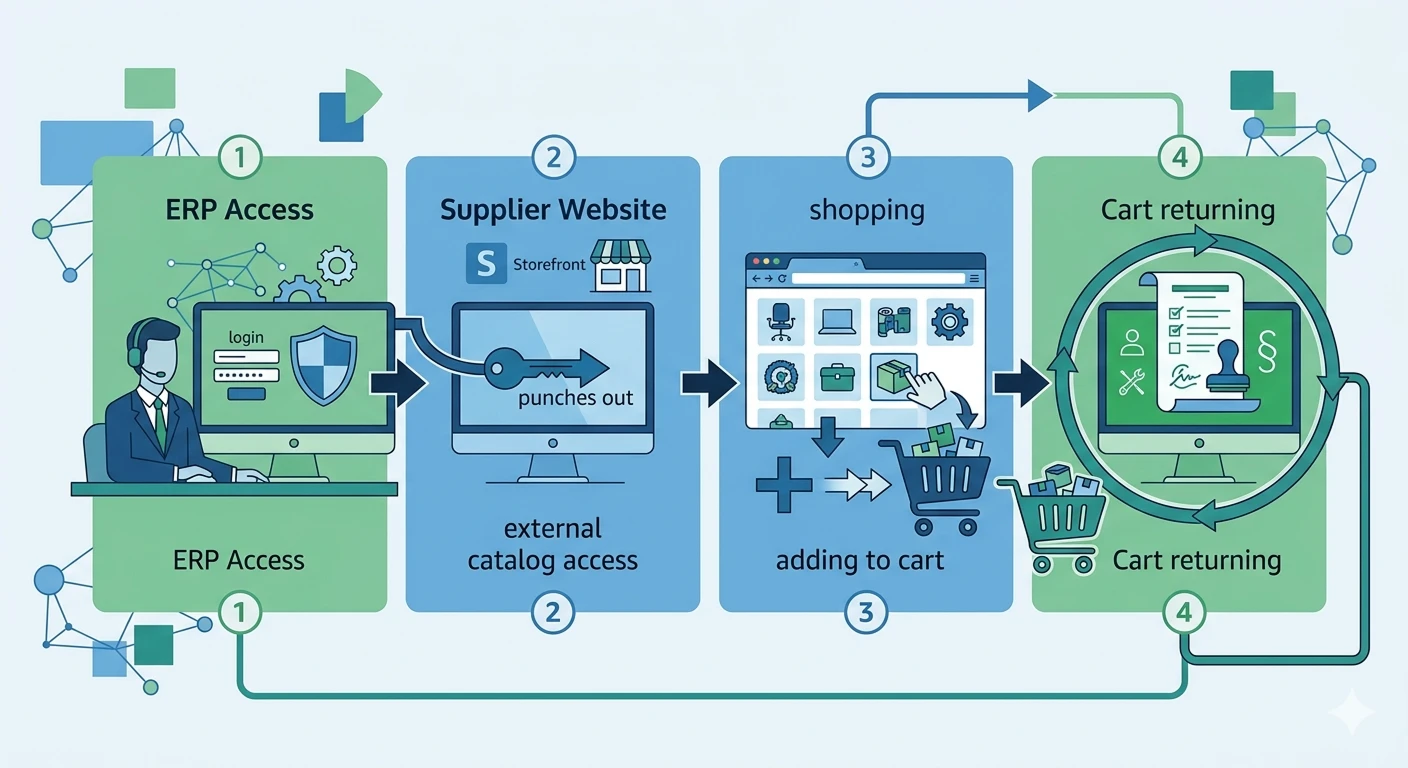
A punchout catalog is a supplier e-shop that buyers enter directly from their internal procurement system – without having to log in, manually transcribe products, or leave the environment they are accustomed to.
The term "punchout" literally comes from the English "punch out" – the buyer "punches out" of the procurement system into the supplier's catalog, selects products, fills the cart, and the entire content is automatically transferred back to the procurement system. There, the cart becomes a purchase request that goes through the company's standard approval procedure and eventually turns into an order. The supplier receives a structured order, not an email or a phone call.
As described by TradeCentric, punchout connects eProcurement solutions with e-commerce systems and automates the authentication and transfer of the cart between the buyer's and supplier's systems. The result is that both parties work in an environment they know, and data flows between them without manual intervention.
How it works technically
Behind the punchout catalog are two dominant standards for data exchange, and if you operate in the B2B environment, it's good to know what each of them means.
The first is cXML, or Commerce eXtensible Markup Language. It is a protocol that standardizes communication between procurement systems and e-commerce platforms – from catalog data through the cart to purchase orders and invoices. As noted by ControlHub, cXML allows for more detailed and flexible mapping of data and supports end-to-end automation of the entire purchasing cycle, including invoicing. It is the most widely adopted standard in the global B2B environment.
The second is OCI, or Open Catalog Interface. This standard was developed by SAP primarily for connecting external web shops to SAP procurement systems – it works in such a way that after product selection, the e-shop sends the cart back as structured data to the ERP, where a purchase request is automatically created. According to GreenWing Technology, it can also be adapted for non-SAP environments, but its natural home is in SAP ecosystems, which are very common in Central European corporations and manufacturing companies.
For the supplier, this practically means that your e-shop must be able to "speak" at least one of these languages – ideally both – to cover the various procurement platforms of your customers.
Why it's becoming a requirement rather than an optional add-on
Just a few years ago, punchout catalogs were a matter for large suppliers serving large buyers. Today, the situation is changing.
VarStreet puts it bluntly: punchout connectivity is shifting from an optional feature to the fundamental infrastructure of B2B e-commerce, and businesses will ask every serious supplier a simple question – can you connect to our procurement system via punchout? If not, negotiations for cooperation will end before they begin.
The driving force behind this change is the demographic reality. According to the Shopify Enterprise report, millennials and Generation Z now make up 73% of all B2B buyers. This generation of buyers did not grow up with faxes and phone orders – they grew up with digital tools and expect B2B purchasing to be as seamless as shopping on Amazon. The same source notes that 80% of B2B customers today expect a B2C-quality digital experience, and 75% of them would change suppliers for a better shopping experience.
Procurement platforms have captured this pressure. Amazon Business, one of the largest B2B marketplace players, has a detailed guide to punchout integration directly for suppliers, which in itself speaks to how punchout has become a basic requirement for working with enterprise customers on their platform.
And the market is growing rapidly. According to Experro, the global B2B e-commerce market is expected to reach $32.11 trillion by 2025 and grow to $36 trillion by 2026, with an annual growth rate of 14.5%. The larger the volume of B2B transactions that occur digitally, the greater the pressure on suppliers to seamlessly enter these digital flows.

Who it concerns and when to start addressing it
Not every B2B supplier needs a punchout catalog today. However, there are several clear signals that it’s time to start considering one.
The first signal is when enterprise customers or potential business partners start asking whether you can connect your catalog to their procurement system. This question is being asked more and more frequently and by exactly those customers with whom you want long-term business relationships.
The second signal is when part of your B2B orders still comes via email or phone despite having a functional e-shop. Typically, this is because these customers cannot or must not leave their internal procurement environment to place orders. It's not their laziness – it's their internal compliance.
The third signal is when you operate in sectors with a high degree of digitized procurement processes – manufacturing, pharmaceuticals, IT distribution, logistics, or public procurement. In these sectors, punchout integration is a common standard rather than a novelty.
As Digital Commerce 360 points out based on an interview with TradeCentric, B2B suppliers today are moving beyond just launching a digital catalog towards building a connected experience that aligns with how customers actually want to shop. Punchout is a key part of this strategy.
What it means for your e-shop
Implementing a punchout catalog is not a matter that you can turn on by clicking a switch in the administration. It requires technical integration between your e-shop and the customer's procurement system – most often through cXML or OCI protocols.
This practically means several things. Your e-shop must be able to receive authentication requests from the procurement platform and correctly identify the customer, including their individual pricing, available products, and business terms. It must be able to send the cart content back to the procurement system in a structured format. Ideally, it should also be able to receive orders in the form of electronic purchase orders, not just wait for manual entry.
The good news is that there are middleware solutions like TradeCentric or PunchOut Catalogs that can act as a bridge between standard e-commerce platforms and procurement systems – simplifying implementation without needing to build the entire integration from scratch. The question is to what extent this solution suits you and where you need custom tweaks.
If your e-shop runs on a platform like Shopify, WooCommerce, or BigCommerce, and you are actively planning to reach enterprise customers, punchout integration is a topic that makes sense to incorporate into your roadmap sooner rather than later. As shown by Procurify, offering a punchout catalog not only allows suppliers to meet customer requirements but also actively increases their wallet share in the purchasing cart and attracts new enterprise clients who otherwise would not even start negotiations.
Punchout is not a luxury, it is a prerequisite
B2B sales are changing. Buyers are younger, digitally native, and operate in an environment that has its own rules and its own systems. Suppliers who can seamlessly connect to these systems are simply more convenient partners for enterprise customers. And in B2B, where a large portion of decisions is made based on the convenience and reliability of the process, this is not a small advantage.
A punchout catalog will not replace a good product or a trustworthy business relationship. But if you have both, and your e-shop cannot communicate with the customer's procurement system, you could lose business not because you are a bad supplier, but because you are technically incompatible.
If you're determining whether and how to integrate punchout into your B2B e-shop, we would be happy to look at your situation and propose a solution that makes sense for your specific case.


Selected projects
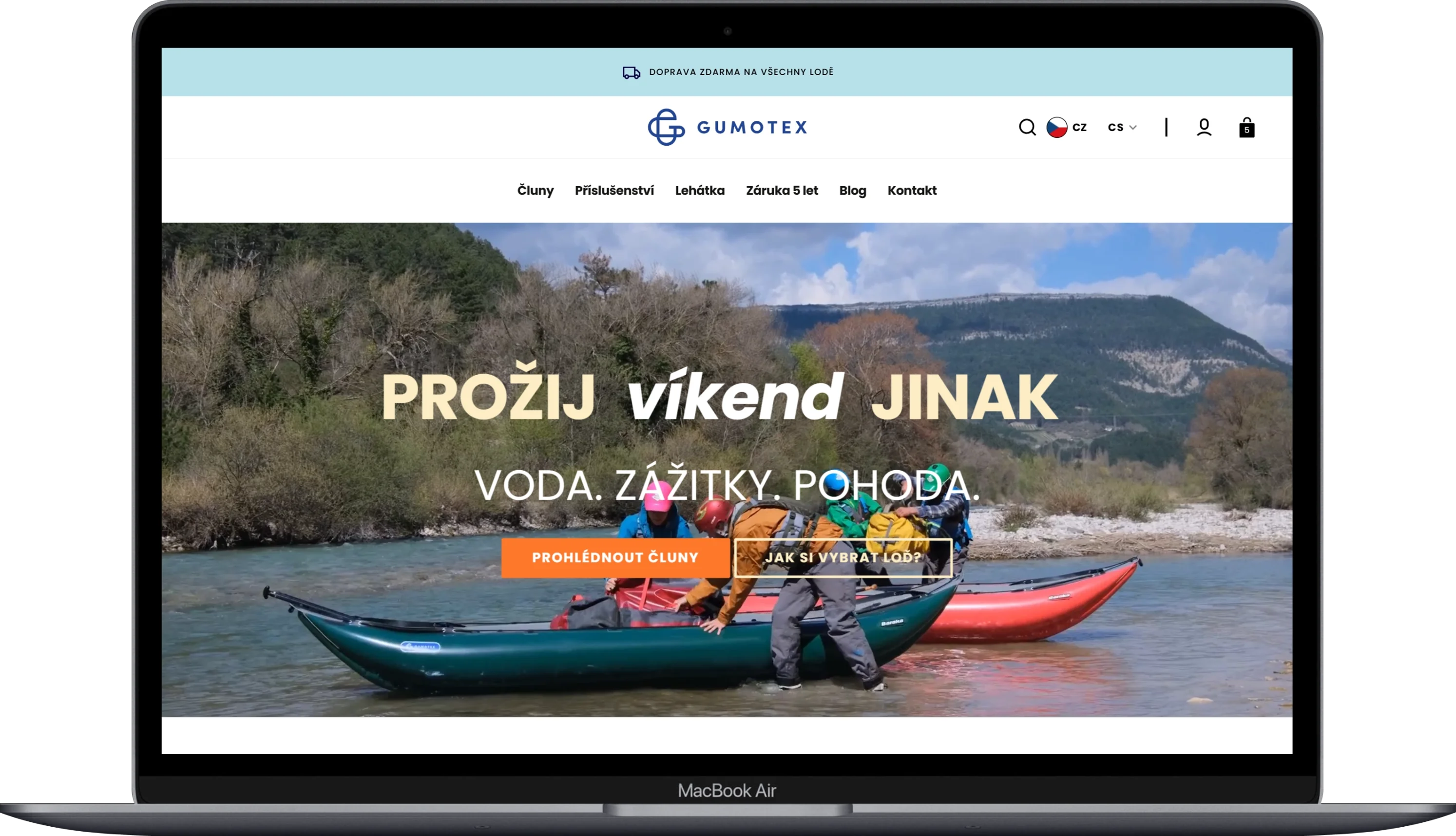
Gumotex
Category
E-commerce
Client
GUMOTEX Coating s.r.o.
Duration
4 months
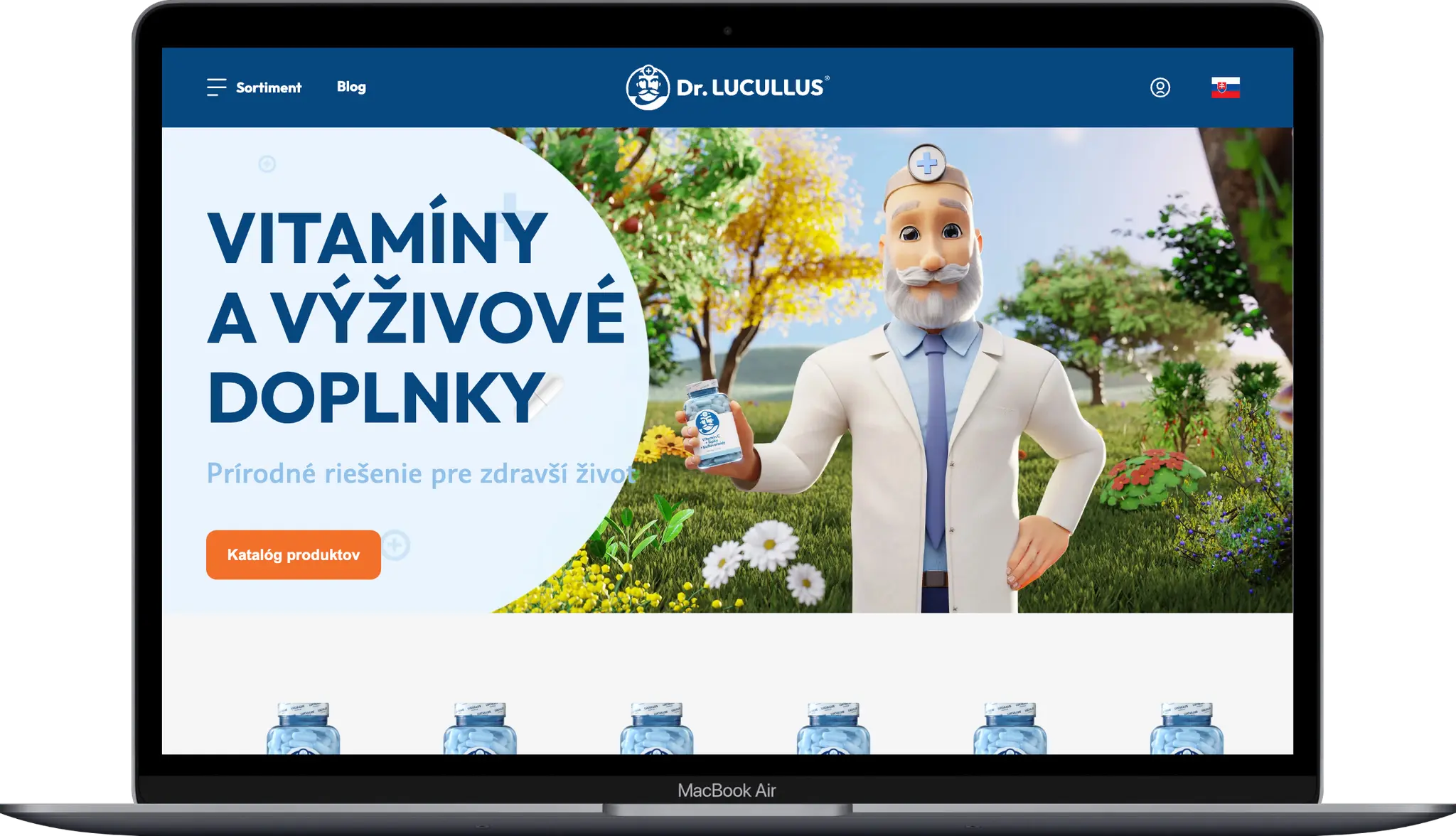
Dr. LUCULLUS
Category
Custom Development
Client
Dr. Lucullus MEDICAL
Duration
March 1, 2025 - present
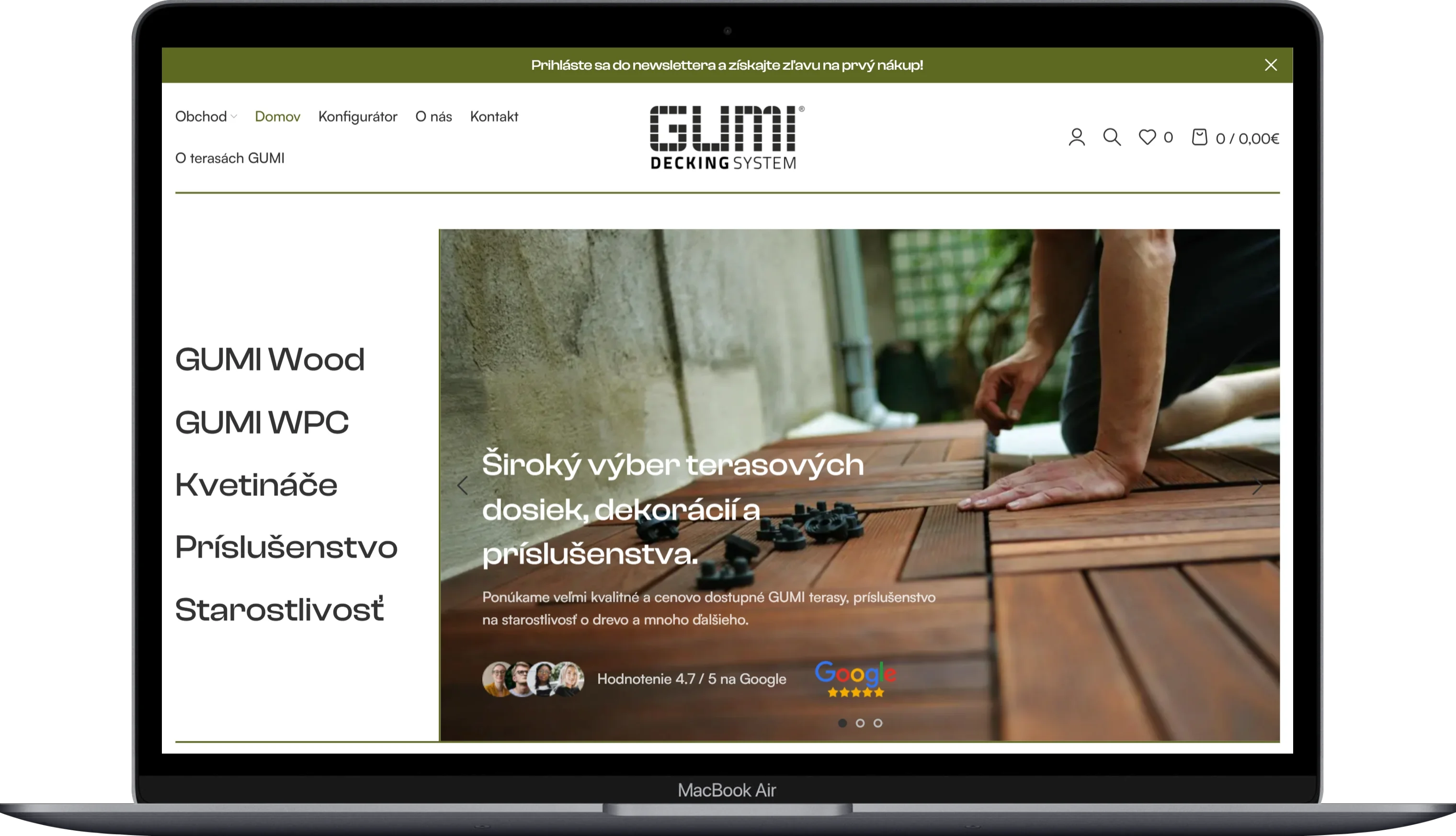
GUMIDECK - Eshop
Category
E-commerce
Client
GUMIDECK
Duration
2 weeks
Pneugrup - e-shop
Category
E-commerce
Client
Pneuservis pod rondlom
Duration
2 months