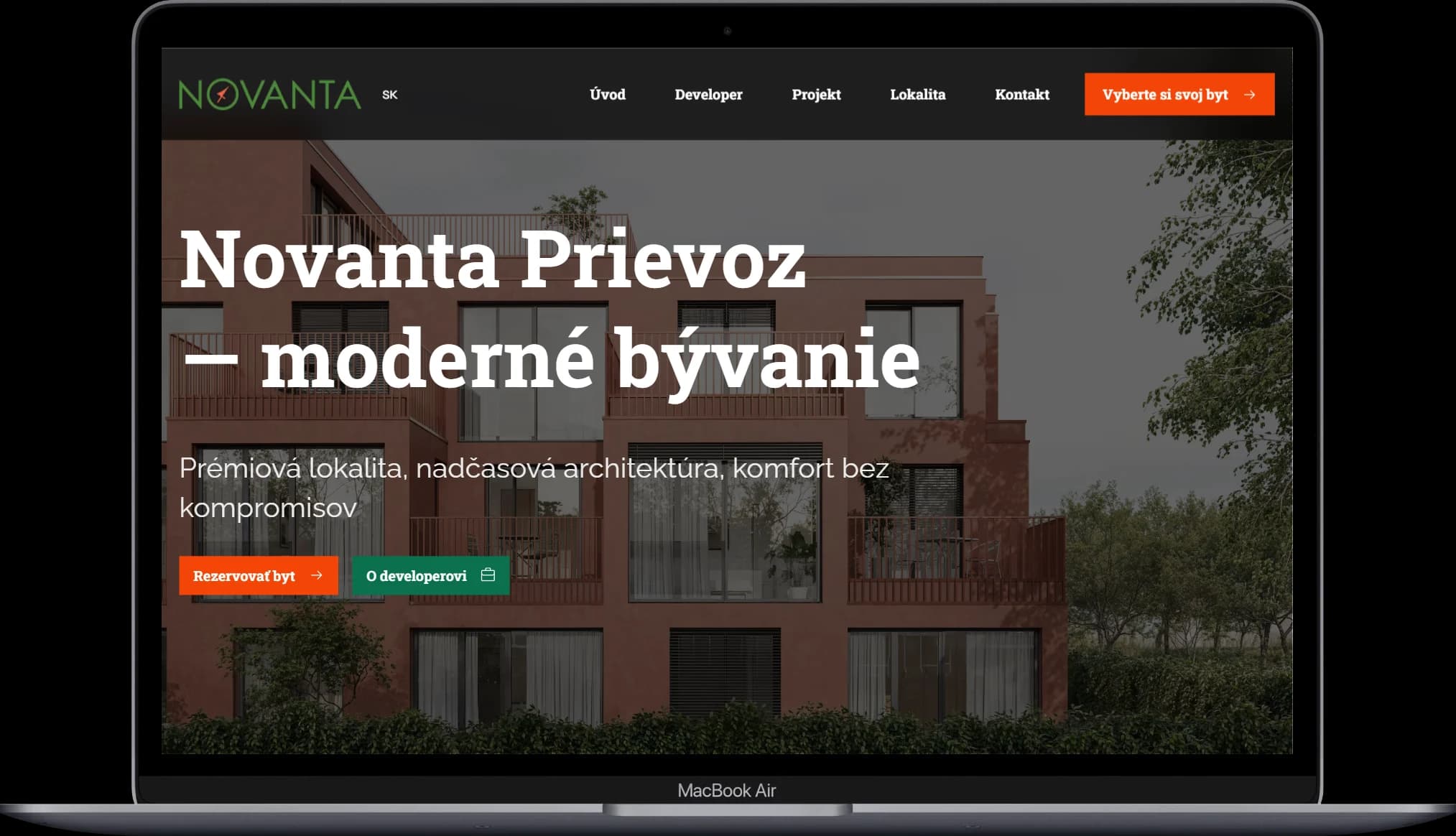

Custom Web Application Development – When Is a Custom Solution Worth It

When does it make sense to invest in a custom web application, and when is a ready-made solution sufficient? Specific criteria, real prices, and the most common mistakes when making decisions.
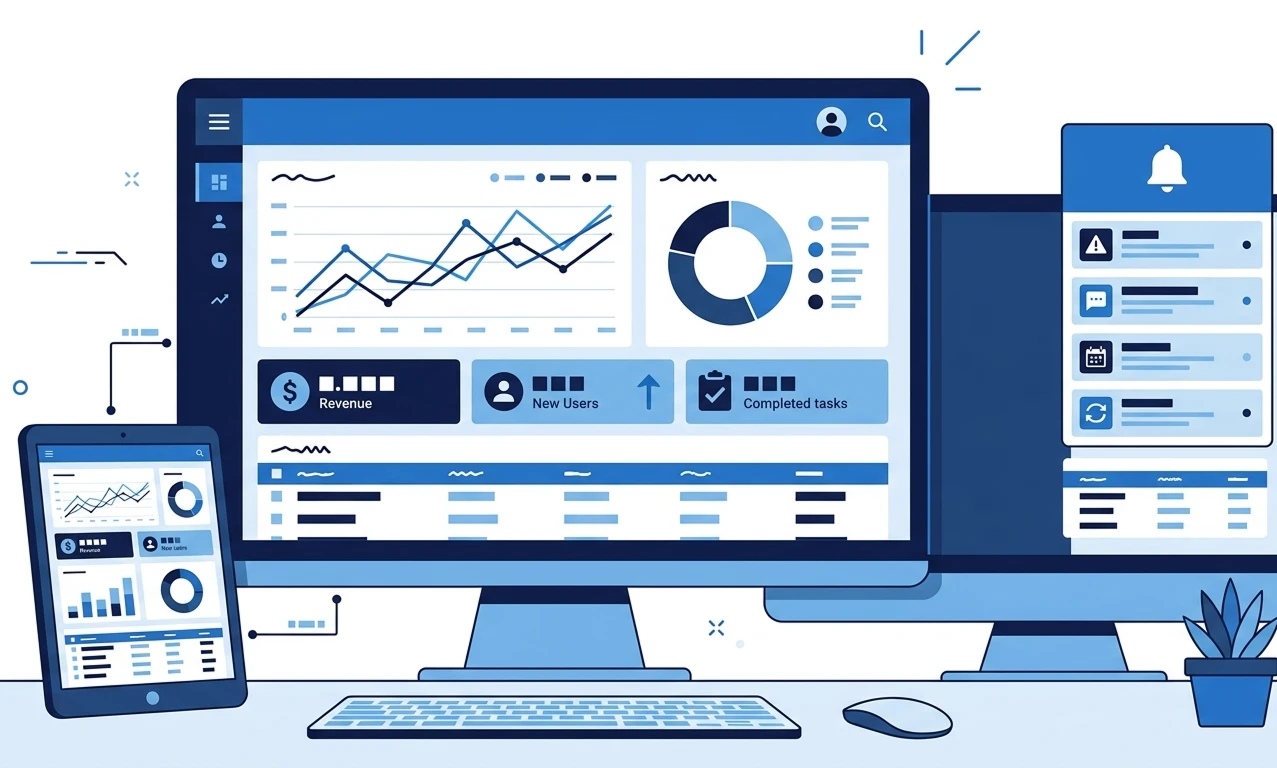
Custom Web Application Development – When Is Custom Solution Worth It
You have process chaos that no ready-made tool can solve exactly the way you need. Or you manage a platform where customers require features that Notion, Monday.com, or any other SaaS solution cannot provide. Alternatively, you just know that the business idea you have in mind needs its own technology – otherwise, it won't work.
In each of these cases, you face the question: when does it make sense to invest in the development of a custom web application, and when is it an unnecessarily expensive hobby?
This article will give you specific answers – including numbers that companies do not want to disclose.
What Is a Web Application and How Does It Differ from a Regular Website
A web application is not just a "website with multiple pages." It is software that runs in a browser and responds to user actions – processing data, changing states, communicating with the server in real-time.
Examples you might know:
- Customer Portal for B2B clients (individual price lists, orders, history)
- Booking System connected with a calendar and payment gateway
- Internal Tool for the team – approvals, reporting, document management
- Platform with registration, roles, and access rights
The difference from ready-made software is simple: a custom application does exactly what you need – not what the manufacturer thought you would need.
When Is Custom Development Worth It – And When Is It Not
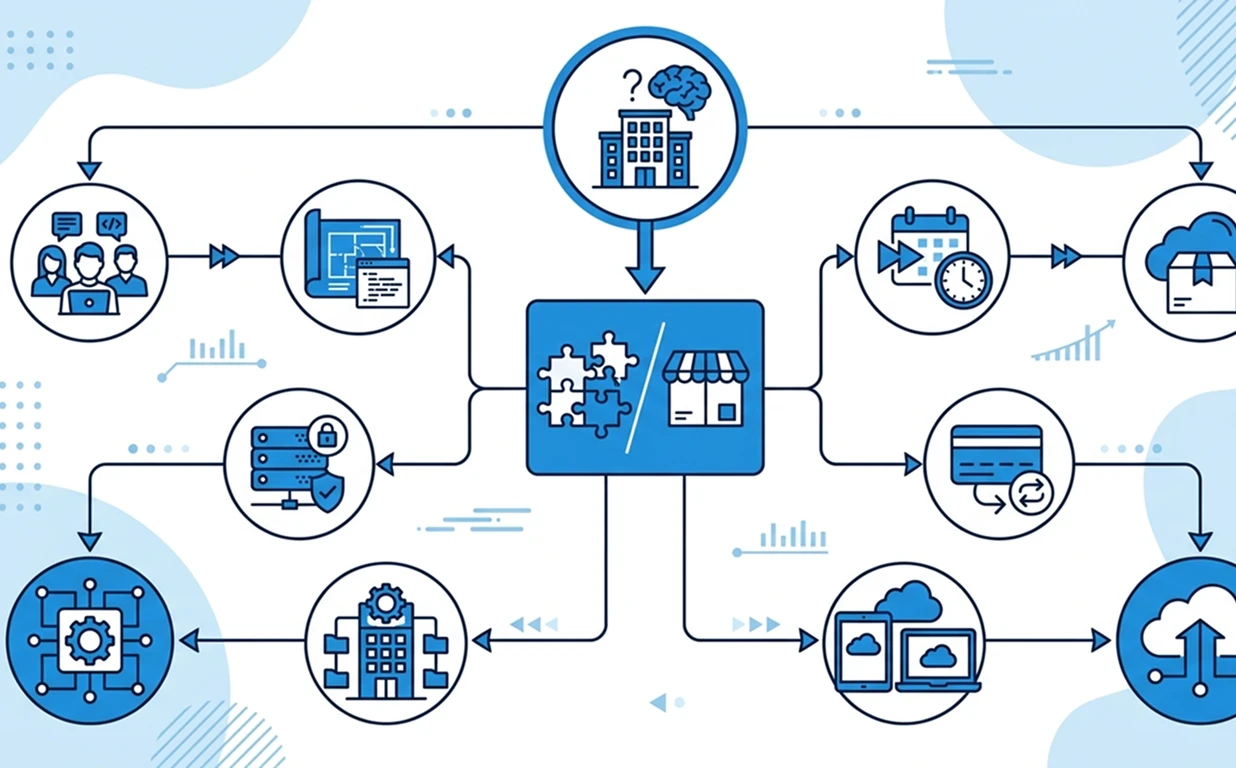
This is the most common mistake we see: the company chooses custom development because "they want to have everything under control" – but for €40,000 they build what an existing tool could do for €200/month.
On the other hand, there are companies that pay for 5 tools that do not connect with each other, and they lose more due to inefficiency than it would cost for a custom system.
Custom development makes sense when:
- You have a unique process that no ready-made tool can replicate
- You need deep integration with your own data or an external ERP/CRM system
- Scalability is critical for you – SaaS will limit you as you grow
- You own a business model where software itself is the product (e.g., a SaaS platform)
- Security or GDPR compliance requires full control over the infrastructure
Custom development is premature when:
- You are still testing whether your idea has a market (use MVP or no-code tool)
- The features you need are performed by the existing tool 90%
- You do not have an internal team to maintain the application after delivery
- Your budget is below €8,000 – €10,000 (below this threshold, compromises arise, not solutions)
According to the Standish Group CHAOS Report, 66% of software projects fail or significantly exceed their budget. The most common reason: unclear requirements at the beginning and underestimating the scope.
How Much Does Web Application Development Cost in Slovakia
Prices vary significantly depending on complexity, team, and technologies. Here is a realistic overview for the Slovak market:
- Simple Web Application (MVP) Registration, basic CRUD operations, simple role permissions. Time estimate: 200–400 hours. Price: €8,000 – €20,000
- Medium Complexity Application Multiple modules, integration with external API (payment gateway, ERP, email notifications), admin interface. Time estimate: 400–800 hours. Price: €20,000 – €50,000
- Complex Platform or B2B Portal Multitenancy, advanced permissions, reporting, mobile version, SLA support. Time estimate: 800+ hours. Price: €50,000 and more
These figures assume collaboration with an agency in Slovakia. Outsourcing to India or Ukraine can be cheaper, but it brings risks in communication, time zones, and quality control – a McKinsey Digital study repeatedly shows that fixing errors from cheap development exceeds the original savings.
Technologies: What Lies Behind Them
You don't need to be a developer, but basic orientation will help you ask the right questions.
Modern web applications generally rely on a so-called full-stack architecture:
- Frontend (what the user sees): React, Next.js, Vue
- Backend (logic and data): Node.js, Laravel, NestJS
- Database: PostgreSQL, MySQL, MongoDB
- Hosting and Infrastructure: AWS, Vercel, own server
Why does this matter? Because the choice of technology affects future sustainability, availability of developers, and costs of scaling. An application built on an outdated stack may cost you more in rework than the original development in 3 years.
The development ecosystem is documented in the annual Stack Overflow Developer Survey – in 2024, React (40.6% of respondents), PostgreSQL, and Node.js dominate. These technologies are intentionally preferred for their ecosystem and talent availability.
Development Phases – What the Project Looks Like from the Inside

Every serious development goes through these phases:
1. Discovery (1–3 weeks) Requirements analysis, scope definition, wireframes, technical architecture. This is the phase where the most money is saved – every hour in discovery replaces 10 hours of fixing in production.
2. UX/UI Design (2–4 weeks) Prototypes in Figma, testing flows, final visual design. An important phase – according to Forrester Research, every €1 invested in UX brings €100 return.
3. Development (8–24 weeks) Iterative development in sprints (Scrum/Agile), regular demo meetings, continuous testing.
4. QA and Testing (2–4 weeks) Functional testing, security audits, load testing, cross-browser compatibility.
5. Deployment and Handoff Launching to production, documentation, team training, setting up monitoring.
What to Watch Out for When Choosing a Supplier
Choosing a development agency is as important as technical decisions. Here are a few warning signs:
- No discovery phase. If the agency gives you a quote without understanding your business – run away. Estimation without analysis is a lottery.
- No contract with scope. A verbal agreement does not work for 6-month projects. A contractual scope of work protects you from endless expansions and disputes over what was included in the price.
- Ownership of code. After delivery, the source code must be yours. Some agencies retain "copyrights" – which in practice is extortion. Demand the handover of the code to your own Git repository.
- Who will maintain the project. Development is just the beginning. The application needs updates, security patches, new features. Agree on a support contract before launching.
Conclusion
Custom web application development is not for everyone – but for companies that have hit the ceiling of what ready-made tools can do, it is a natural next step.
If you are at this stage and wondering whether your situation justifies a custom solution, we would be happy to help you with a free consultation. Describe your project to us via contact form – we will take a look together and directly tell you whether it makes sense to proceed with development or if there is a cheaper way.

Selected projects
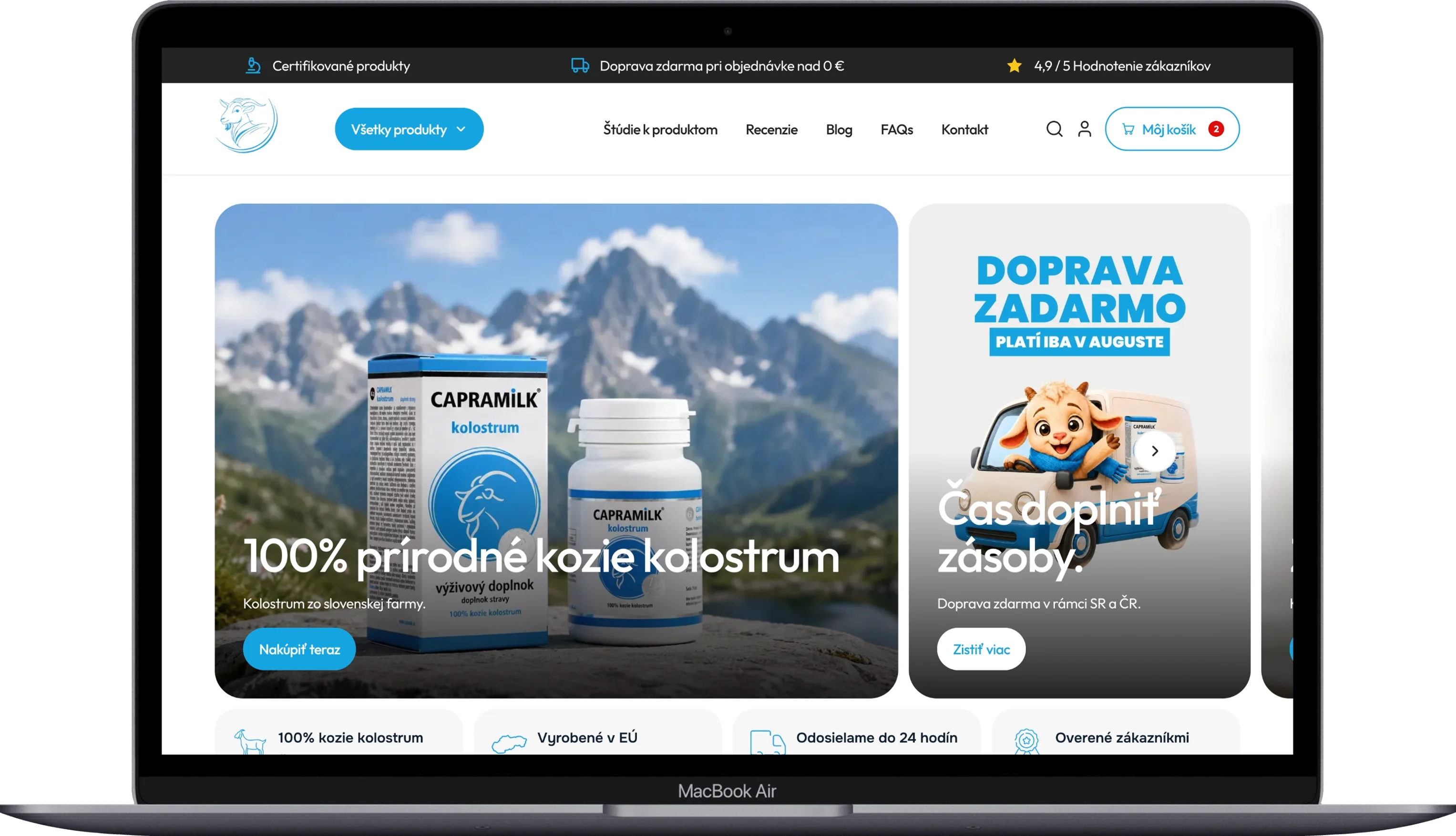
CapraKolostrum
Category
Custom Development
Client
CapraKolostrum
Duration
6 weeks
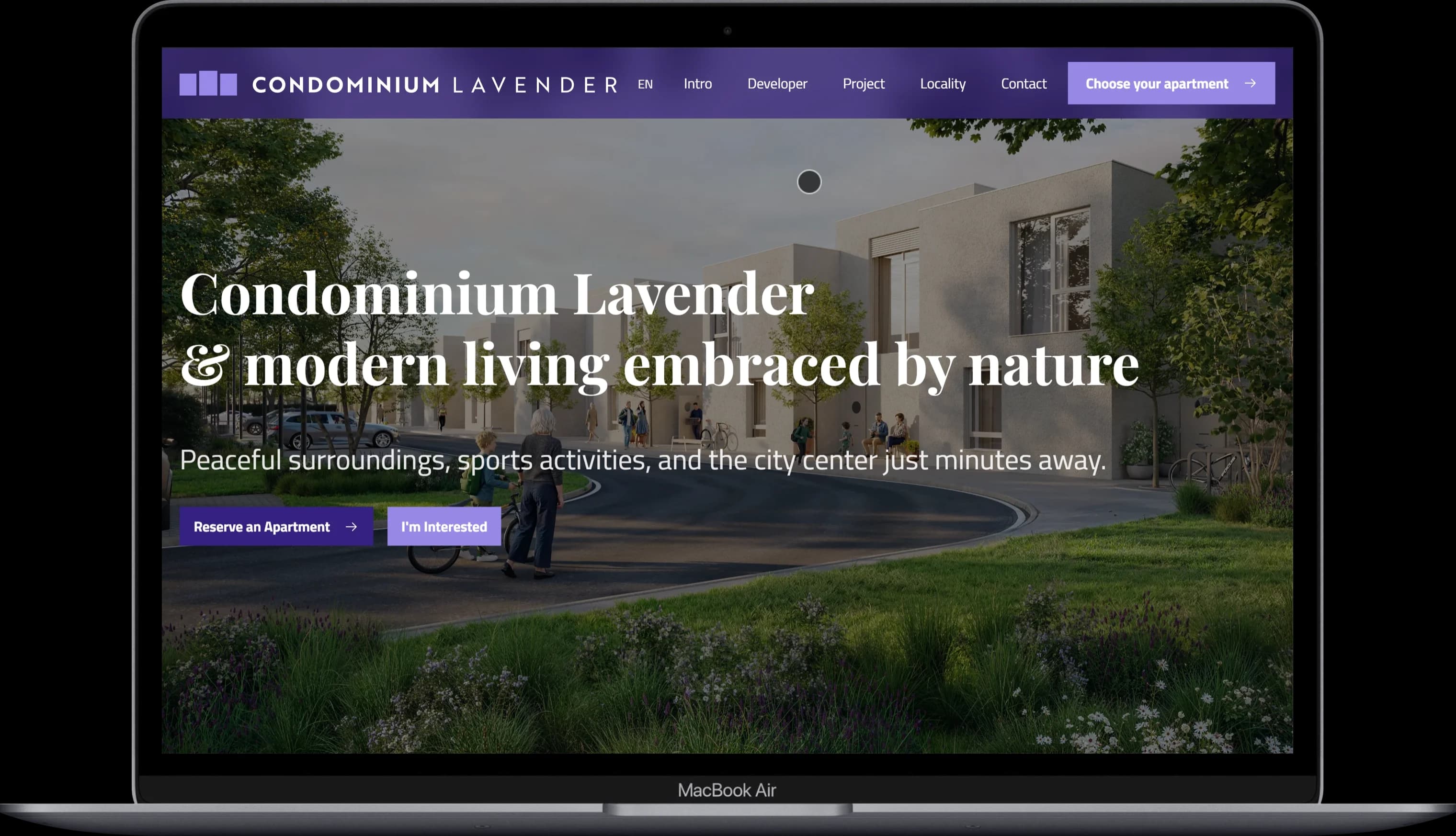
Condominium Lavender
Category
Custom Development
Client
Proxin s.r.o.
Duration
3 weeks
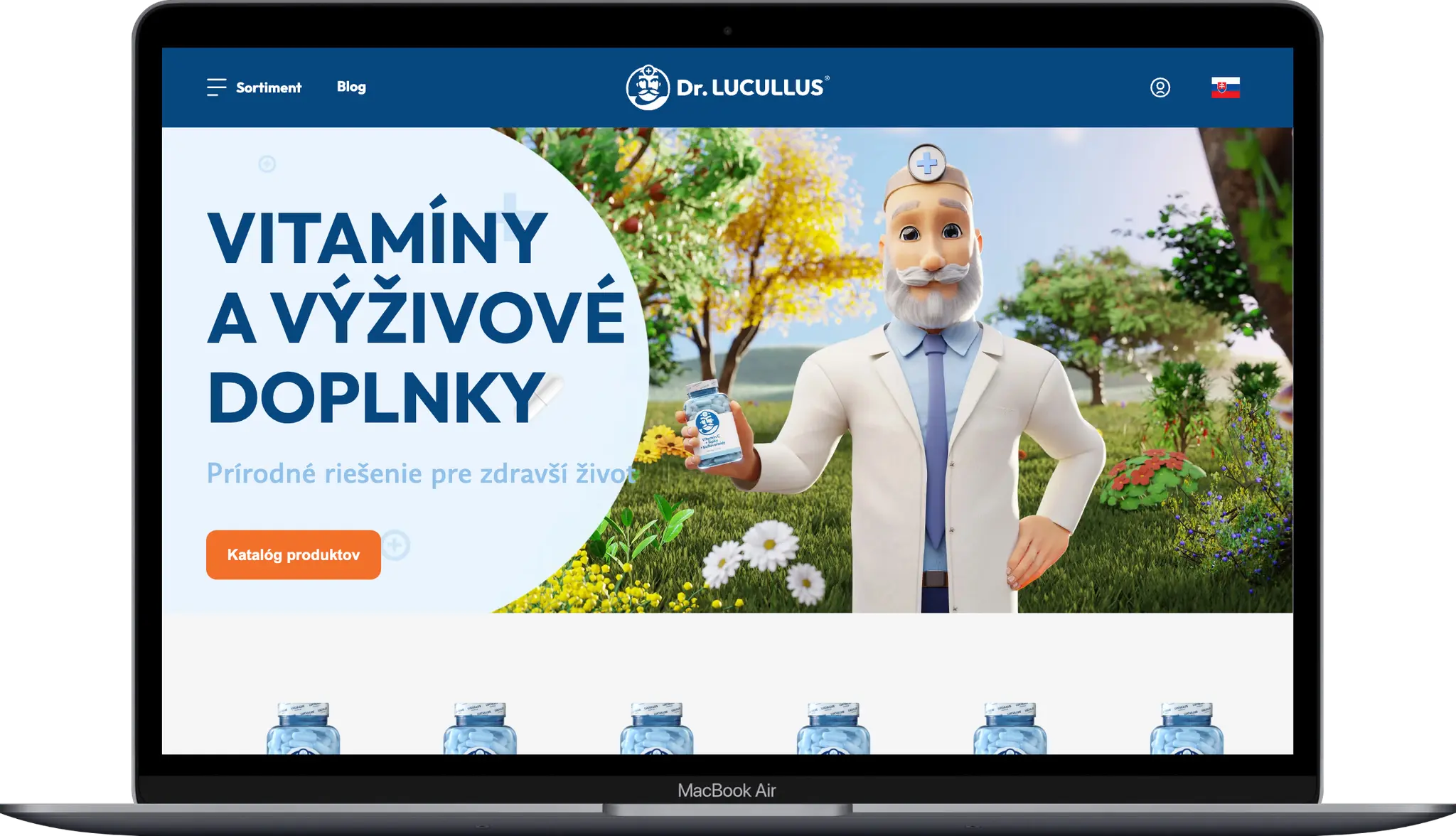
Dr. LUCULLUS
Category
Custom Development
Client
Dr. Lucullus MEDICAL
Duration
March 1, 2025 - present
Novanta Prievoz
Category
Custom Development
Client
Proxin s.r.o.
Duration
3 weeks