What determines the price of a website / online store in 2026

Are you looking for a provider for a new website or online store and struggling to navigate the price quotes? One agency offers a website for a few hundred, while another charges several thousand euros — and both claim that the solution is 'exactly what you need.' This price variation is no coincidence. Behind each offer lies a different scope of work, different quality, and different approach. In this article, we will explain what factors truly influence the price of a website or online store, what billing models exist, and what to clarify before you reach out to the first agency. After reading, you will know what type of project yours is — and you will be able to communicate with suppliers on an informed level, without any unnecessary surprises at the end.
Why do website prices vary so much
When you compare quotes, you rarely compare the same things. The difference is not just in the amount — it's in what you get for that amount.
A cheap website might mean a pre-made template where the logo, colors, and texts are changed. A more expensive website may involve strategic analysis, custom design, advanced features, and long-term support. Both are "websites," but the outcome for your business will be completely different.
The main reasons why prices vary so much:
- Project scope
- A simple one-pager and a complex e-shop with thousands of products are two completely different projects.
- Quality of work
- The team's experience, UX design, clean code, speed optimization, all of this requires time and expertise.
- Agency approach
- Some agencies work on a "fast and cheap" basis, others invest in analysis, strategy, and long-term collaboration.
- What's included in the price
- Some offers only include development, while others also cover content, SEO, analytics, or training.
Therefore, the price itself tells you very little. It's important to understand exactly what you get for it and what impact it will have on your business.
Main factors that influence price
Let's look at the specific elements that most influence the price of a website or e-shop. Each of them adds work, time, and expertise, and thus costs.
Scope and type of website
The most fundamental factor. The type of project determines how much work is necessary:
- One-pager — one page with key information. Suitable for example as a landing page for campaigns or a simple portfolio.
- Presentation website — a few subpages (services, about us, contact, blog). A classic corporate website that aims to build trust and generate inquiries.
- E-shop — catalog of products, shopping cart, payment gateway, shipping, inventory. Significantly more complex than a presentation website, especially with a larger number of products or integrations.
- Portal or custom system — a custom web application with its own logic, such as a booking system, client zone, B2B platform, or internal tool.
The greater the scope and complexity, the more time the team of designers, developers, and project managers will spend — and thus the higher the price.

Template design vs. custom design
When creating the visual aspect of a website, there are basically two approaches:
Template design uses pre-prepared layouts (e.g., from WordPress theme libraries or Shopify templates). It's faster, more affordable, but limited in how uniquely it can present your brand.
Custom design means that a designer will create the page layout from scratch — based on your brand, target audience, and business goals. Such a website looks and functions exactly as you need it. Custom design includes wireframes (mockups of pages), graphic designs, prototyping, and often user testing.
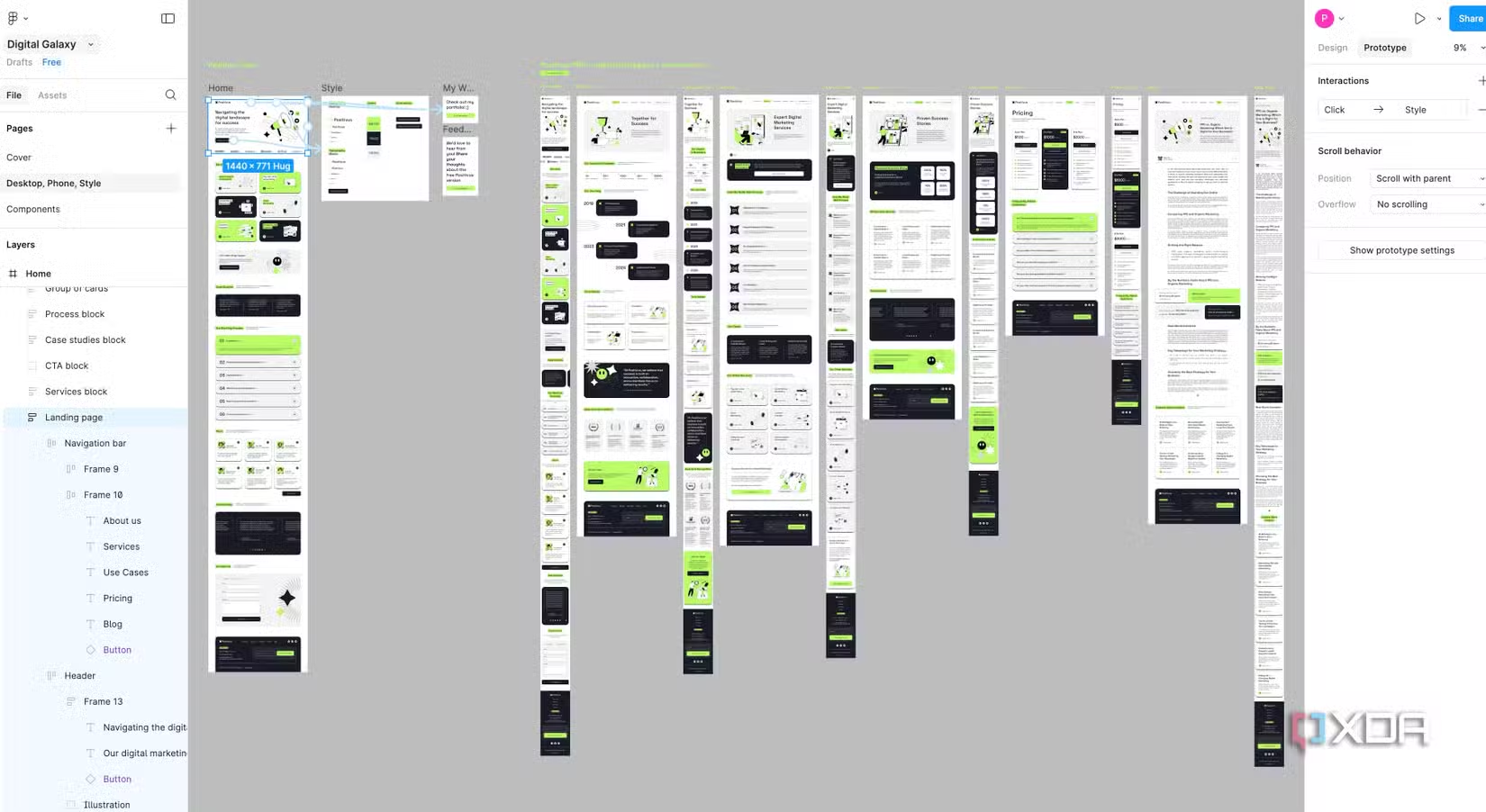
The price difference between a template and custom design can be several times — but so can the difference in results.
Features: forms, reservations, integrations, payment gateways, automations
Any feature beyond the basic content display adds extra work to the project. Common features include:
- Contact forms and custom forms (calculators, configurators)
- Reservation systems and calendars
- Integration with accounting systems, CRM, or ERP (e.g., SuperFaktúra, Pohoda, Money S3)
- Payment gateways (GoPay, Stripe, Tatrabanka) and shipping services (Packeta, Slovenská pošta)
- Automation — for example, automatic emails, inventory synchronization, invoice generation
These features need to be programmed, tested, and maintained. The more integrations and automation you need, the more work the project requires.
Tip: If you're considering automating business processes, check our custom solutions, where we help businesses save time and reduce errors.
Content — texts, photos, video, translations
A website without quality content is just a pretty shell. Content is what convinces visitors that you are the right choice.
Content creation includes:
- Copywriting — professional texts that sell and are also optimized for search engines.
- Photography and graphics — professional photos of products, the team, or spaces. Quality visuals significantly increase credibility.
- Video — product videos, customer testimonials, or "about us" videos.
- Translations — if you are targeting multiple markets, you need quality localization, not just machine translation.
If you provide the content yourself, the price will drop. If it's created by an agency, add the work of a copywriter, photographer, and possibly other specialists.
UX, analytics, A/B testing, and CRO
The acronym UX stands for "user experience," which is how easy and pleasant it is to use your website. CRO (conversion rate optimization) refers to the systematic optimization of the website to turn as many visitors into customers as possible.
A quality provider asks:
- Who are your visitors and what are they looking for on the website?
- What are the main actions you want from them? (purchase, inquiry, registration)
- Where do visitors drop off and why?
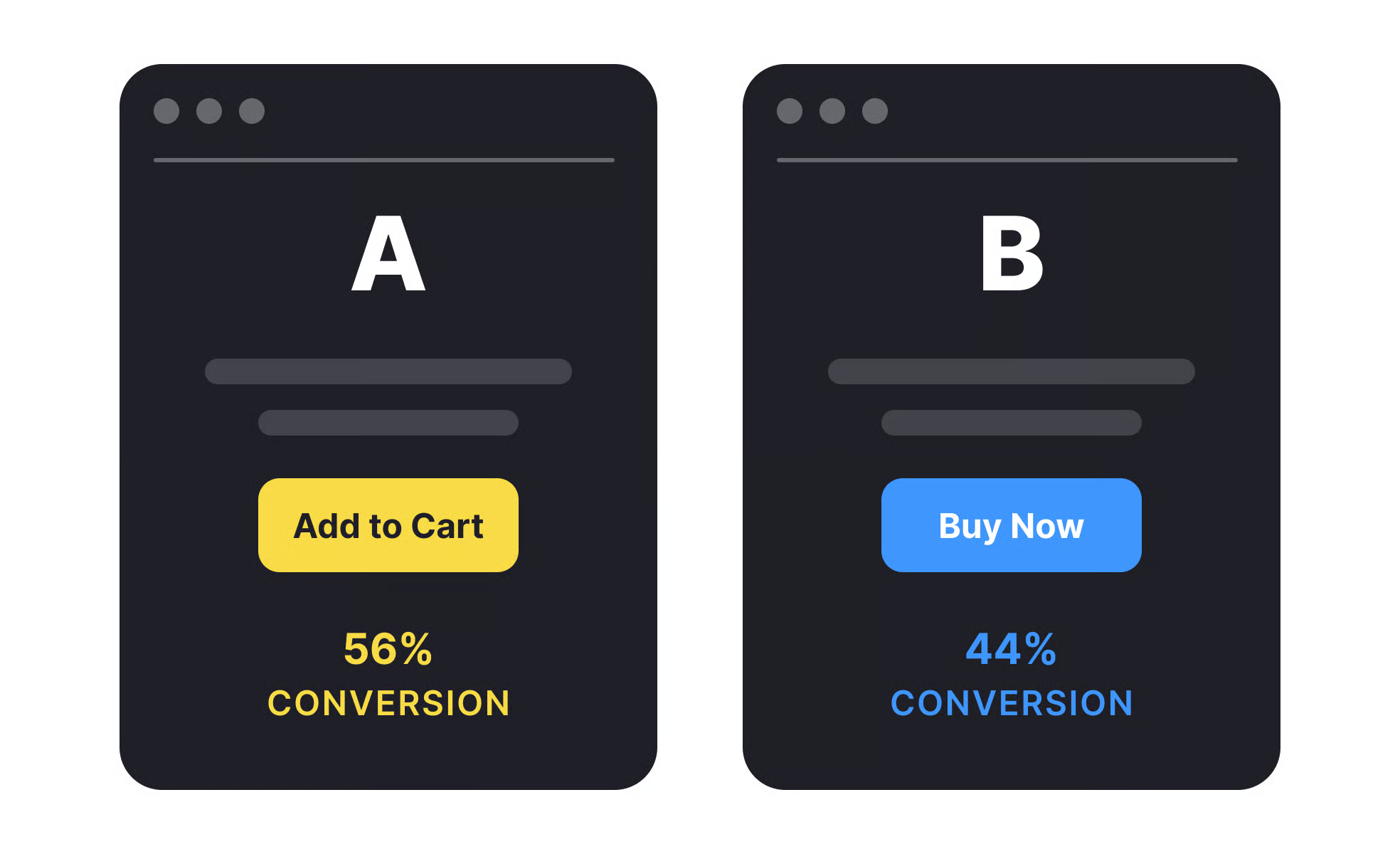
These answers are then translated into the design of the pages, the layout of elements, texts, and call-to-action buttons. More advanced projects also include A/B testing (comparing two versions of a page), heatmaps, and user behavior analytics.
All of this takes time, but it's an investment that pays off in the form of higher revenues.
Speed, technical SEO, and security
Visitors do not see the technical quality of the website directly, but they feel it. A slow website will deter visitors, an unsecured website can damage your reputation, and a poorly optimized site simply won't appear in search results.
The technical factors that affect the price include:
- Loading speed — optimization of images, code, server infrastructure. Google evaluates speed through Core Web Vitals metrics, and slow websites are penalized in rankings.
- Technical SEO — proper URL structure, meta tags, structured data (schema markup), sitemaps, and other elements that help search engines understand your content.
- Security — SSL certificate (HTTPS), protection against attacks, secure data processing, regular backups, and updates.
Cheaper solutions often neglect these aspects — and then you deal with them afterward when the website does not function as it should.
Do you want to know what to focus on in your project? Schedule a non-binding consultation — we'll help you define the scope and priorities even before the actual quote.
Billing models that clients encounter
Different agencies and freelancers charge differently. Each model has its advantages and risks. Here are the four most common:
Fixed price per project
The provider sets a total amount for a predefined scope of work. You know exactly how much you will pay, but any changes beyond the brief are usually charged extra.
- Advantages for the client: Predictability of the budget, clear commitment.
- Risks: If the brief is not sufficiently precise at the beginning, conflicts can arise over what is "included in the price" and what is not.
Hourly rate
You pay for the actual hours worked. Flexible, you can change priorities as you go.
- Advantages: You only pay for what is actually done. It's easily adjustable to changing requirements.
- Risks: Without a clear budget cap, costs can rise uncontrollably.
Retainer (monthly flat fee for support)
Regular monthly payment for an agreed package of hours or services, typically maintenance, small adjustments, SEO, content, or marketing support.
- Advantages: You have guaranteed team capacity, a long-term relationship, and continuous improvement.
- Risks: If you do not use the monthly package, you pay for unused time.
Website as a service (monthly fee including creation)
Relatively new model where you "spread" the entire website creation into monthly installments. Usually includes website creation, hosting, maintenance, and ongoing adjustments in one package.
- Advantages: Low entry investment, everything in one.
- Risks: The total amount for 2–3 years can be higher than a one-time project. It's important to read the contract, especially what happens if you want to terminate the service.
Questions you need to clarify before requesting a price quote
The better you know what you want, the more accurate the quote you'll receive and the fewer surprises you'll face during the project.
Website goals
Why do you even need a website? A clear goal affects the entire design:
- Lead generation — the website must be convincing, with a clear value proposition and an easy contact process.
- Direct sales — focus on catalog, purchasing process, credibility, and payment solution.
- Brand building — visually impactful website that communicates your values and professionalism.
- Recruitment — careers section, employer branding, easy way to submit a CV.
Many websites serve multiple goals at once, but it's good to know which is the priority.
Target audience and differentiation
Who is the website for? What distinguishes your company from the competition? Answers to these questions directly influence the design, tone of communication, and the structure of content.
A good provider will ask you these questions even before creating the proposal. If they don't ask, that's a warning sign!!!
Required features
Make a list of features that your website must include. You don’t have to be technically precise — just describe what the website should do. For example:
- "The customer should be able to choose a date and reserve it online."
- "Orders should be automatically sent to our system."
- "We want to have a blog where we will publish articles."
This list will help the agency uncover hidden complexities and assess the project realistically.
Budget framework
You don't need to state an exact amount, but it's useful to know what range you're in. This will help the provider propose a solution that fits your possibilities, or honestly say that your expectations and budget do not align.
Think of it in three brackets: lower, middle, and upper. Which one you fall into depends on the type of project, scope, and your ambitions. A good agency will help you find a reasonable compromise.
Typical project levels
Even though we do not specify exact prices (these depend on a number of variables), we can describe typical categories of projects that we encounter in practice:
Basic presentation website
A smaller corporate website built on a template or simple framework. A few subpages, basic contact form, responsive design. Content is provided by the client. Suitable for startups or those who want to launch an online presence quickly.
Serious lead-gen website
A presentation website with an emphasis on conversion, custom design, thoughtful page structure, quality copywriting, integration with CRM or email systems, basic SEO. Intended for companies that want to actively use the website to acquire customers.
This type of website is what we focus on the most. See how we approach the creation of presentation websites.
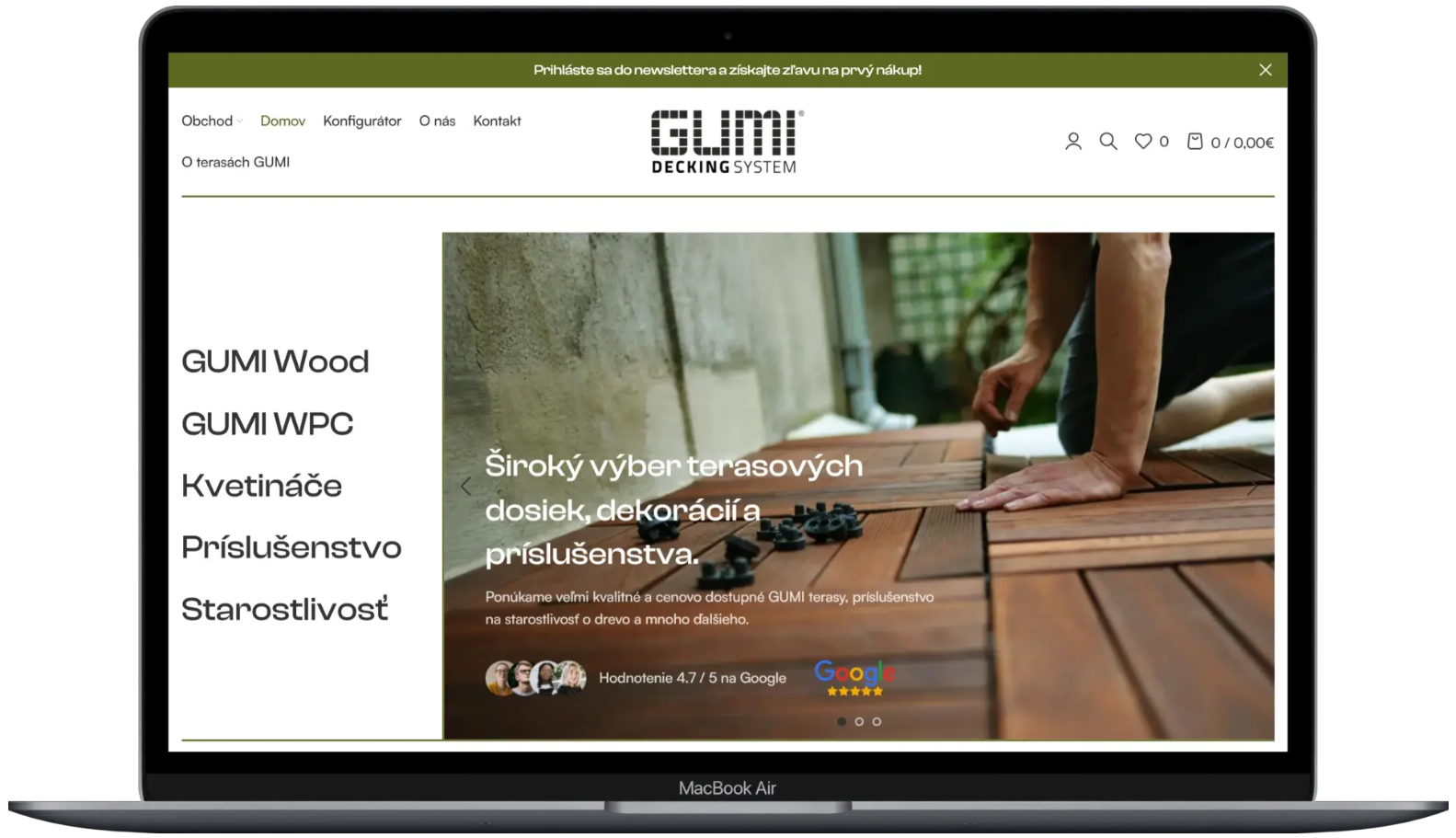
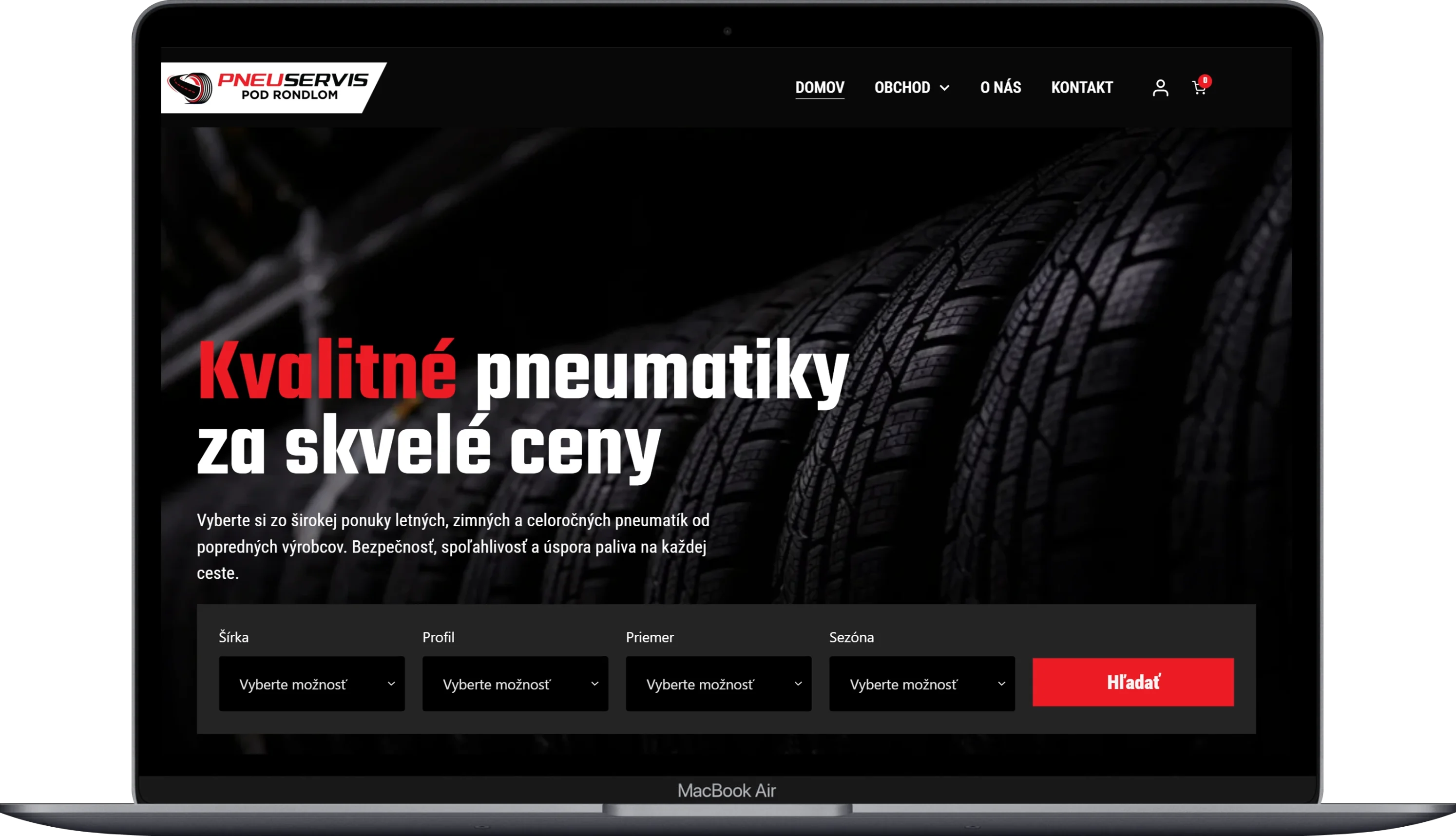
Standard e-shop
Product catalog, shopping cart, payment gateway, integration with shipping and inventory systems. Custom or semi-custom design, optimization of the purchasing process, basic SEO. Suitable for companies with dozens to hundreds of products.
Do you need an e-shop? Check our e-commerce solutions.
Complex custom system
A web application with its own logic, client zone, B2B ordering portal, internal tool for process management, or advanced e-shop with unique requirements. This type of project requires detailed analysis, prototyping, and iterative development.
Why it’s worth asking about value, not just price
Price is what you pay. Value is what you get for it. And in the case of a website, what it brings you.
The cheapest offer is tempting, but often comes with compromises that you realize only later:
- Slow website — visitors leave, Google doesn't recommend you.
- Poor quality code — future adjustments take longer and cost more.
- No strategy — the website looks "nice," but doesn't convert.
- Lack of support — when something doesn't work, there's no one to turn to.
- Security holes — neglected updates open doors for attacks.
That’s why it’s important to think about the total cost of ownership (TCO). TCO includes not only the price of creating the website but also costs for hosting, maintenance, updates, content, marketing, and possible reworking if the original solution does not meet your needs.
A quality website, which is well designed and built from the start, will likely cost you less over 2–3 years than a cheap website that you will need to redo.
What you can expect from a transparent agency
A good web agency will not only create a beautiful website for you — it will also give you confidence that you know what you are getting into. Here are some signs of a professional approach:
- Clearly defined scope — you know exactly what's in the price and what isn't. No hidden fees.
- Clear contract — without legal jargon. Clear terms, deadlines, payment milestones, and procedures for changes.
- Defined process — from initial analysis through design, development, testing, to launch. You know what will happen when.
- Communication — regular updates, access to the developing project, space for feedback.
- References and work samples — portfolio of real projects, possibly recommendations from previous clients.
- Post-launch support — hosting, maintenance, monitoring, content management training.
If something is lacking in your relationship with the provider, it is a reason to ask more questions.
The next step is up to you
The price of a website or e-shop depends on many factors, from the type of project, through design and features, to the quality of content and technical processing. There is no universal answer, but now you know what to look for and what questions to ask.
The most important thing is to start with a clear goal, realistic expectations, and open communication with the provider.
Do you want a specific price quote for your project? Schedule a 30-minute free consultation where together we will go through your requirements and advise you on the best approach.
Latest articles

Selected projects
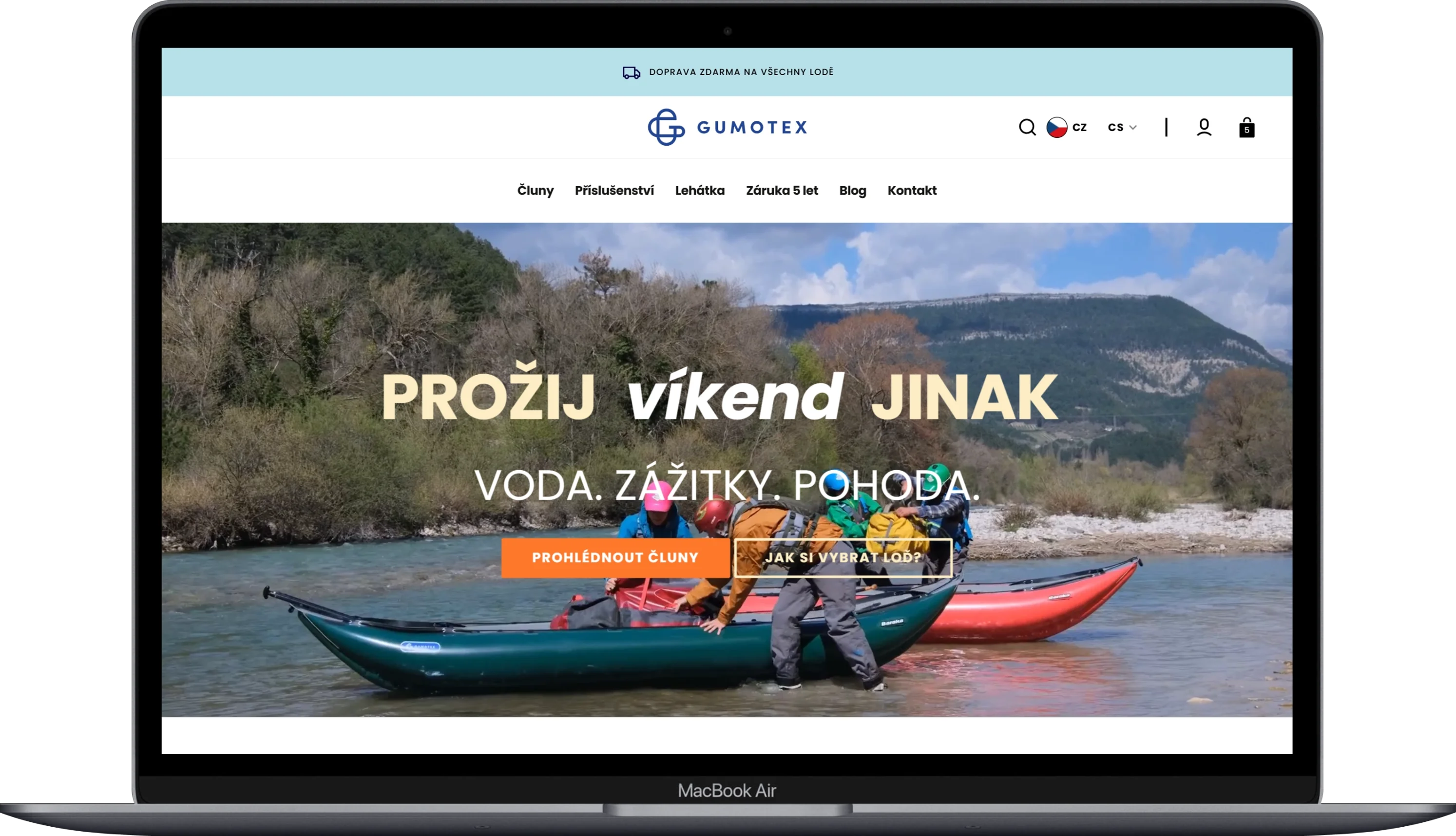
Gumotex
Kategoria
E-commerce
Klient
GUMOTEX Coating s.r.o.
Trvanie
3 months
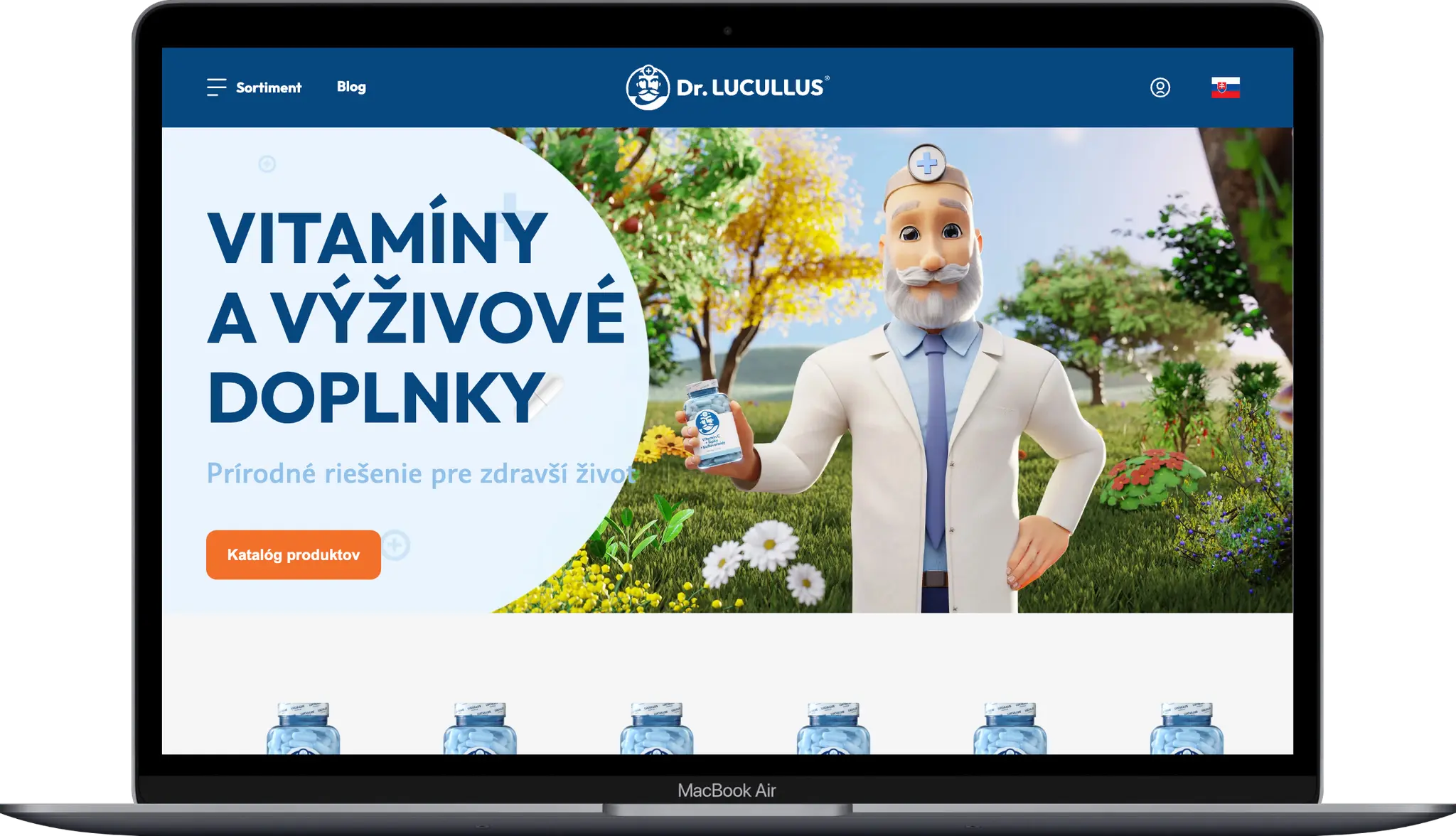
Dr. LUCULLUS
Kategoria
Custom Development
Klient
Dr. Lucullus MEDICAL
Trvanie
March 1, 2025 - present
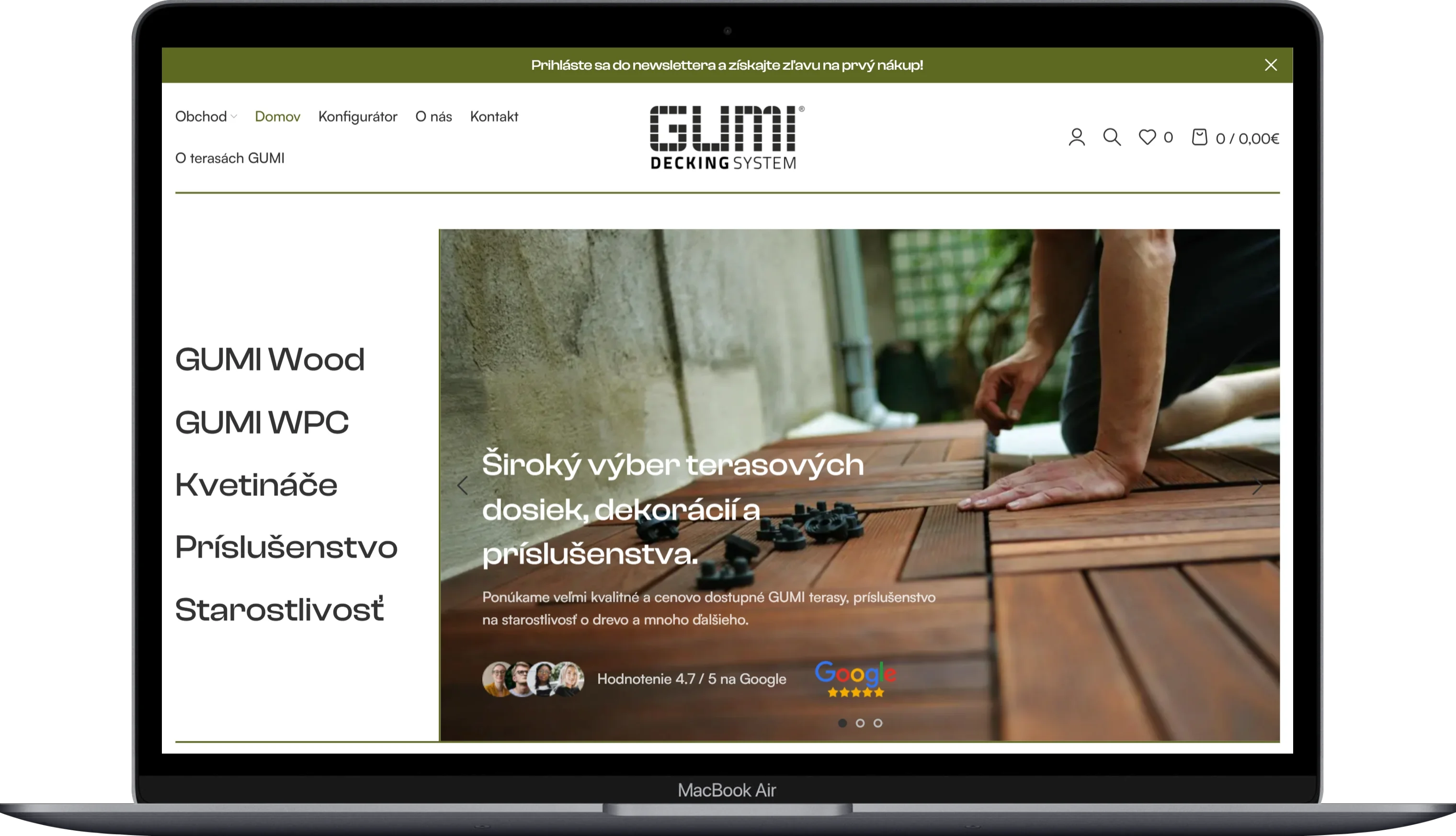
GUMIDECK - Eshop
Kategoria
E-commerce
Klient
GUMIDECK
Trvanie
2 weeks
Pneugrup - e-shop
Kategoria
E-commerce
Klient
Pneuservis pod rondlom
Trvanie
2 months