How much does it cost to create an e-shop in 2026? A complete guide to prices and the impact of AI

Are you planning to sell online and are curious about the actual e-shop price? We looked into how artificial intelligence and modern no-code tools have changed the costs of building e-shops in 2026. Find out how much renting, standard solutions cost, and why collaborating with an agency is worthwhile.
How much does it cost to create an online store in 2026? A complete guide to costs and trends
Have you decided to move your business into the online space, or are you planning a complete redesign of your current sales channel?
The first question we clearly receive in meetings is: What is the actual price of an online store today?
The year 2026 has definitely changed the rules of e-commerce. Thanks to artificial intelligence (AI) and advanced no-code or low-code tools, the creation of online stores has not only accelerated but has also, in many respects, become more efficient. However, this does not mean that you will get a professional and profitable online store for free.
Successful sales require a well-thought-out strategy, top-notch user experience (UX), and flawless integrations.
In this article, we will take a detailed look at how much a custom online store costs in 2026, which factors most significantly affect its price, and why a transparent collaboration with a modern agency is the best investment for you as an entrepreneur.
Current prices of online stores: From renting to custom solutions
There is no single universal price tag on the market. Your requirements dictate the technology, and that determines the price. According to current analyses, including data from the Webfusion portal, e-commerce projects in 2026 fall into three main categories:
1. SaaS platforms (low-cost "boxed" solutions)
If you need to start quickly and are testing the market with a minimal budget, rented platforms are a logical choice. The global giant Shopify currently starts at around 69 €/month (for online stores with up to 10,000 products). Simple AI builders are also emerging (for example, from Jotform), where you can get started for amounts ranging from 5 to 30 € per month with fully automated creation.
- Who it's suitable for: Beginner entrepreneurs who want to try selling with a few products.
- Disadvantages: Low monthly fees can quickly become costly. As the company grows, fees for additional applications, premium templates, and transaction fees accumulate. You may also encounter strict limits if you want to customize the purchasing process.

2. Standard online stores and professional open-source platforms
This is the golden mean for most companies. These are platforms like WordPress (WooCommerce) or larger implementations on Shopify. Analyses and guides from agencies like Ravensoft or OBS confirm that the price for implementing such solutions (so-called boxed online stores with customization and SEO optimization) ranges in Slovakia and the Czech Republic from 1,000 € to 12,000 € (approximately 50,000 – 300,000 CZK).
- Who it's suitable for: Stable small and medium-sized enterprises that need flexibility, custom design, and full control over their data.
3. Comprehensive solutions and custom applications (Custom development)
If you have a B2B zone with specific pricing, a large number of products, or complex international logistics processes, you need a solution programmed specifically for you. While these projects for businesses range from 1,000 € to 10,000 € as a one-time cost, for large corporations and international projects, prices rise to 10,000 € to 30,000 € and more.
The agency DBB Software, which focuses on application development, even states that fully integrated AI e-commerce applications for global players can reach development costs in the hundreds of thousands of dollars (80,000 – 350,000 USD). The integration of advanced AI modules can increase development costs by 20 to 50%, but brings massive returns.
What affects the final price?
In our agency, we know that fixed price lists for creating web solutions can be misleading. The price of an online store is variable and reflects the exact scope of your needs. What drives it upward?
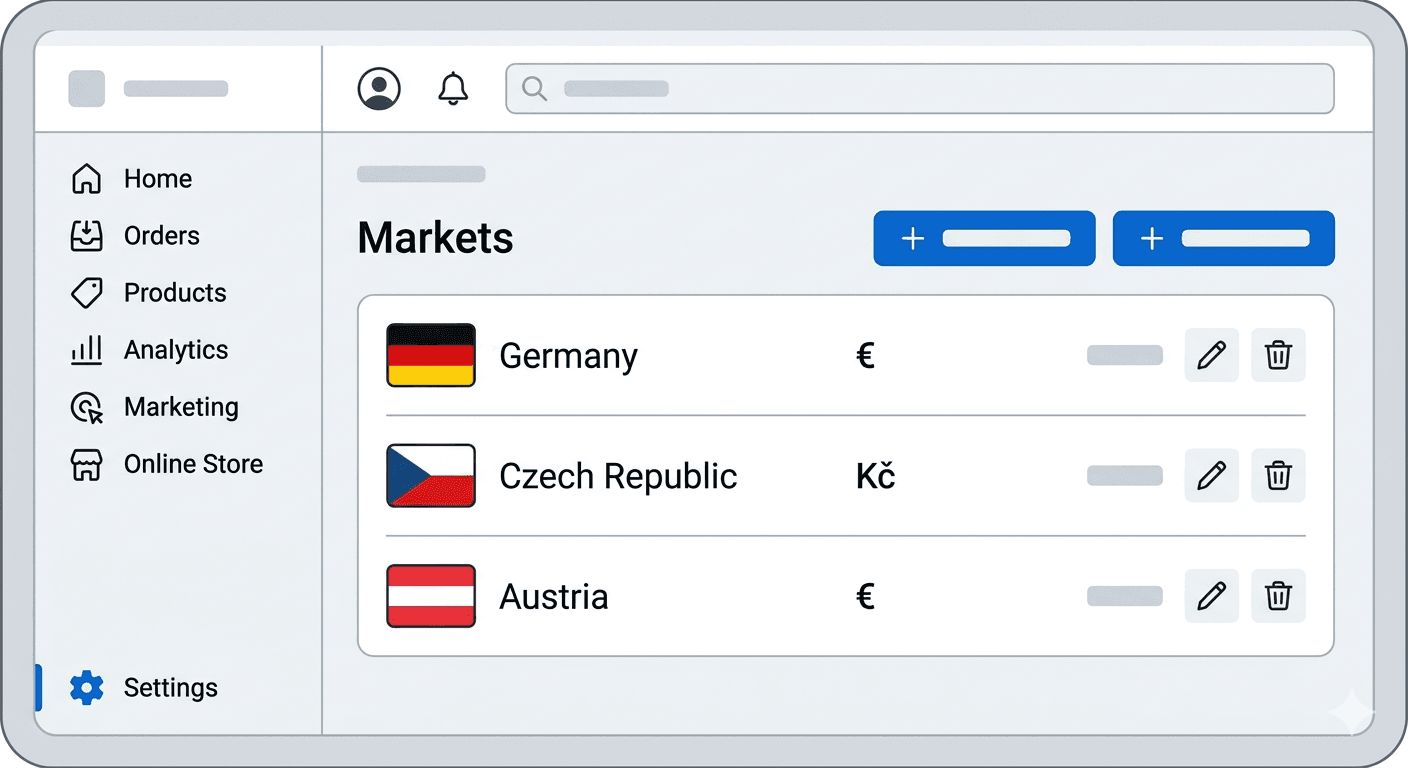
- Number of products and languages: Do you have an online store with 50 products for the Slovak market, or are you managing 10,000 items in five languages? Scaling data and multilingual capabilities usually increase initial costs by 20 – 50%.
- Design (Template vs. Custom): If we use a top premium template and modern tools, we can save you up to 80% of the time and costs associated with design compared to drawing the website from scratch.
- Integrations: Connections to payment gateways (Stripe), carriers (Packeta, DPD), ERP systems (Pohoda, Kros), or modern AI chats. Advanced features add about 10 – 30% to the total price.
- Maintenance and marketing: Creating an online store is just the first step. The web portal oPeniazoch warns in its article about online stores that companies must account for monthly budgets for advertising and maintenance, which typically range from 1,000 € to 15,000 € per month depending on growth aggressiveness.
The impact of artificial intelligence (AI) on the development of online stores
As a modern digital agency, we utilize platforms such as Shopify, WordPress, as well as powerful no-code/low-code automation tools (N8N) in our work. AI is not just a buzzword for us but a daily working tool.
Artificial intelligence radically reduces entry costs for content. According to case studies, AI can reduce costs for copywriting and generating product images by up to 90%. Tools like Jasper or native Shopify AI builders allow us to build content structure in a fraction of the time.
Trends for 2026 published by the agency ui42 clearly state that AI not only saves time in creation but mainly reduces CPA (cost per acquisition) by up to 40% thanks to deep personalization, dynamic pricing, and intelligent video ads.
We are transparent: Why trust your own online store to an agency?
You may be asking after reading the previous lines: “If artificial intelligence and no-code tools can do so many things automatically, why should I hire an agency? Can't I just click it myself?”
This is a legitimate question, and we answer it absolutely openly: We do not charge you for dozens of hours of manual labor that AI can now handle in a few minutes. We will not ask you for thousands of euros for the basic setup of texts if we can automate the process.
What you are paying us for is architecture, strategy, and functionality.
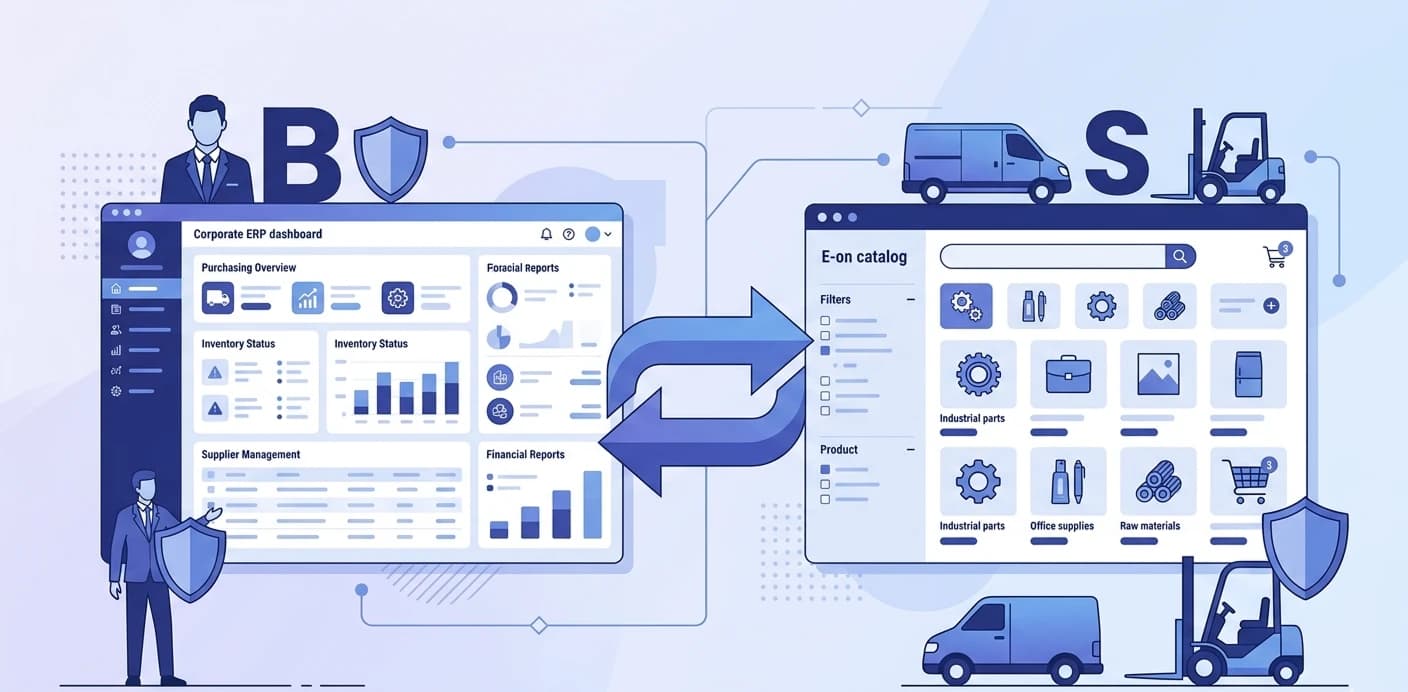
- Technical connections: AI will not devise an airtight database structure and won’t set up flawless synchronization between your online store, warehouse, and invoicing system.
- No-code does not mean no-brain: Tools are available to everyone today, but only a professional knows how to piece them together so that the website runs quickly, can handle hundreds of visitors, and meets the strictest SEO standards.
- Sales machine: We build online stores as a service that doesn't require your constant inputs. You take care of the business, and we ensure that the technology and marketing integrations (such as dynamic pricing or personalized discounts) smoothly convert visitors into paying customers.
Building an online store in 2026 on your own through various generators can end up like building a house without an architect - while the walls might stand, the roof is leaking, and the doors won’t close.
Would you like to know the exact calculation for your project and see how we can connect robust platforms (Shopify, WordPress) with no-code and AI technologies for your benefit?
Contact us for a non-binding consultation. Together, we will design an online store that will be not only modern but above all profitable.
Would you be interested in preparing a sample price offer or a free audit of your current solution?
Latest articles

Selected projects
Gumotex
Kategoria
E-commerce
Klient
GUMOTEX Coating s.r.o.
Trvanie
3 months

Dr. LUCULLUS
Kategoria
Custom Development
Klient
Dr. Lucullus MEDICAL
Trvanie
March 1, 2025 - present

GUMIDECK - Eshop
Kategoria
E-commerce
Klient
GUMIDECK
Trvanie
2 weeks

Pneugrup - e-shop
Kategoria
E-commerce
Klient
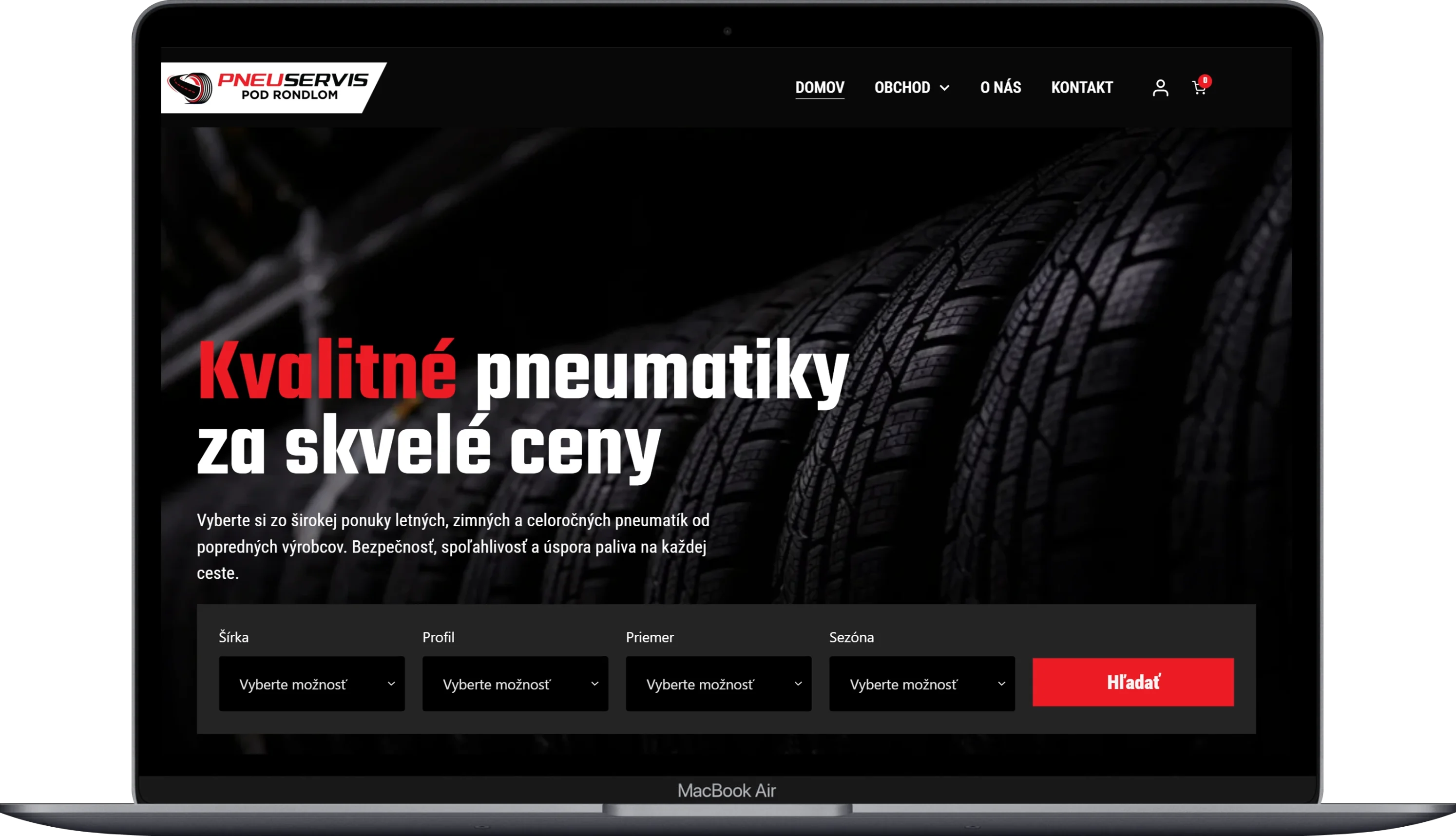
Pneuservis pod rondlom
Trvanie
2 months