Creating an online store step by step: a complete guide for 2026

Are you about to start online selling but don't know where to begin? Creating an online store doesn’t have to be complicated if you proceed systematically. In this guide, we will show you every step from the idea to the launch, with practical advice for the Slovak market and real numbers you can rely on.

The Slovak ecommerce market is growing every year by 15 to 20 percent, and this trend will not stop even in 2026. If you have been considering opening your own online store, now is the right time to do so.
According to the portal eCommercebridge.sk, small and medium-sized enterprises are the backbone of online sales growth in Central Europe. Moreover, modern AI tools can reduce the operational costs of online stores by up to 40 percent compared to traditional approaches. This guide will show you step by step how to create an online store, without unnecessary technical shortcuts and with specific tips for the Slovak market.
Step 1: Planning and Choosing a Niche
Before you take any technical steps, you need to know what you are selling, to whom you are selling it, and why a customer would choose you. Phrases like "I sell everything" never work. The portal Podnikajte.sk recommends starting with demand analysis through Google Trends and verifying the competition before investing even a euro in a domain.
- Define your target group (age, interests, region)
- Verify keyword demand in Google Trends and Ahrefs
- Set a realistic budget: SaaS platform from 30 euros per month, custom solution from 1,000 euros
- Develop a simple business plan with a revenue projection for 12 months
Step 2: Legal Basics and GDPR
Every online store selling in the EU must meet legal obligations. Besides a tax ID, trade license, or LLC registration, you also need properly drafted General Terms and Conditions, Privacy Policy, and cookie consent.
Since 2026, the EU AI Act has also come into effect, which affects online stores using personalization and recommendation systems. More about specific obligations can be found in the article on byzmag.cz. Legal templates for the Slovak market can be found on the portals Finstat or justice.gov.sk.
Step 3: Domain, Hosting, and Platform Selection
 .
.
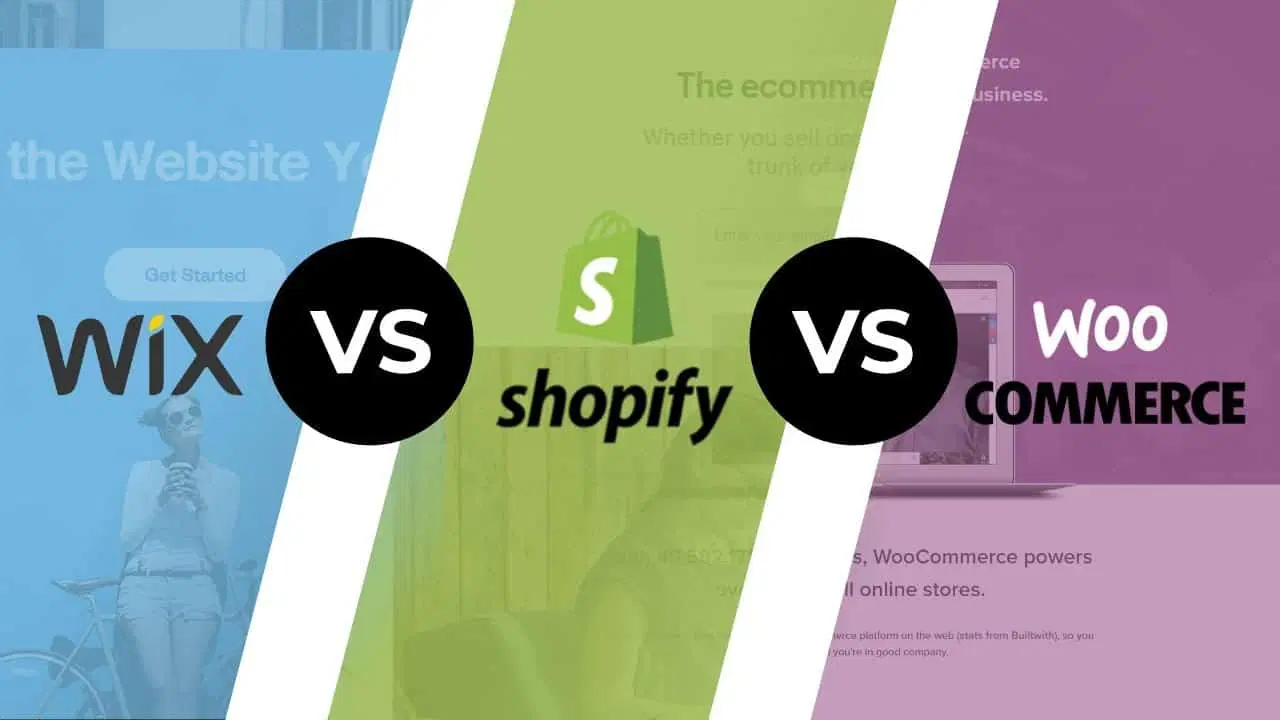
You can purchase a domain with a .sk extension on WebSupport or Wedose for about 10 euros per year. A more significant decision is the choice of platform. The portal jaknawebovky.cz clearly compares three
main options for starting and growing online stores:
Step 4: Design, Products, and Payments
The design of the online store directly influences conversions. A responsive template, loading speed under 3 seconds, and an intuitive cart are essential. Product pages should contain optimized descriptions with keywords, professional photos, and clear calls to action. Don't forget the correct structure of categories and filters; customers will appreciate it.
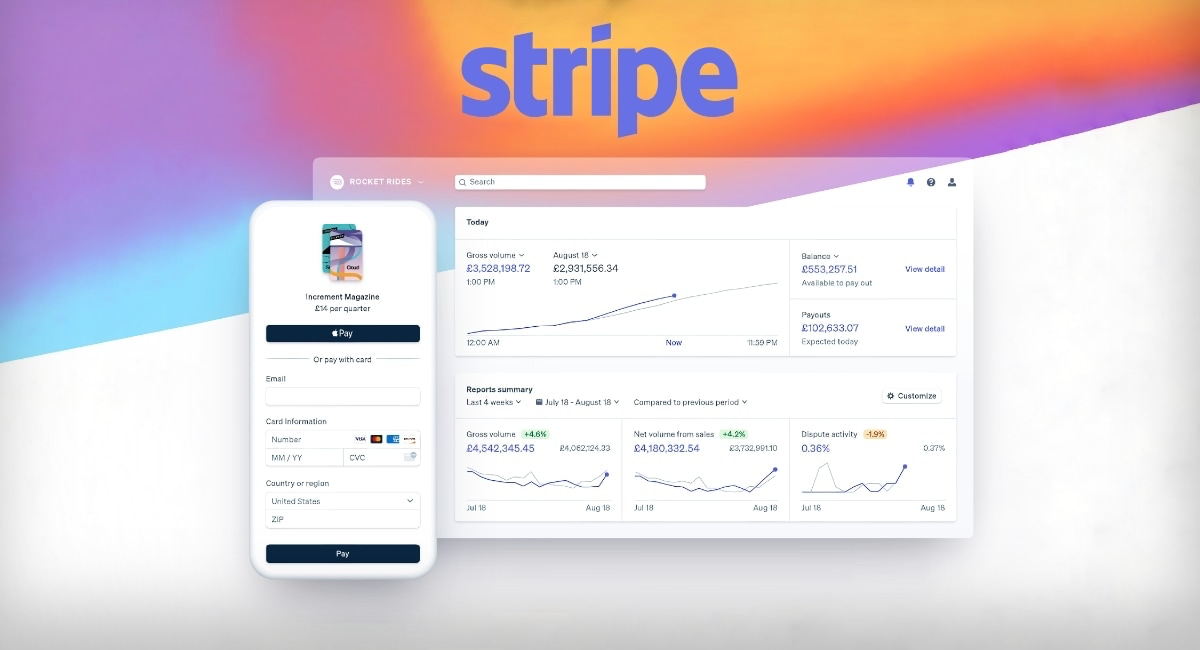
For payments on the Slovak market, we recommend integrating Stripe, GoPay, or Fondy. In the case of Shopify, connecting to these payment gateways is a matter of a few clicks; more about supported solutions can be found at Praella.com. For shipping, the most popular providers in the Slovak market are Zásielkovňa and PPL, while invoice automation can be addressed with tools like Facturownia.
Step 5: SEO and Content for Search Engines
Creating the online store is not enough. If Google can't find you, customers won't find you either. SEO expert Jiri Franek emphasizes in his detailed guide on jirifranek.cz that the key to successful SEO for an online store is technical optimization combined with valuable content. Start with the basics:
- Set up Google Analytics 4 and Google Search Console right after launch
- Add schema.org markup for products, reviews, and prices
- Optimize URL addresses, H1 headings, and image alt tags
- Build a blog with useful content for your target group
- Regularly test page speed via GTmetrix or Google PageSpeed
Step 6: Testing, Launching, and Scaling
Before the actual launch, go through the entire purchasing process from product selection through the cart to order confirmation. Test the online store on various devices and browsers. We recommend a soft launch with a limited group of customers and A/B testing of key elements, such as button color or CTA wording.
After launching, monitor metrics through Hotjar or Microsoft Clarity. The conversion rate, cart abandonment rate, and average order value will tell you where to optimize. Also plan for expansion into the Czech Republic or other EU countries if your product has international potential.
How to establish an online store that actually sells? The answer is always the same: systematically, with a clear strategy and reliable technology. Creating an online store is more accessible today than ever, but it is in the details, from the correct SEO setup to local payment gateways, that the difference between an average and a successful online store lies.
Creating a growing online store requires regular improvements and data monitoring. If you want to be sure that you don't overlook anything, we are here for you.
Latest articles

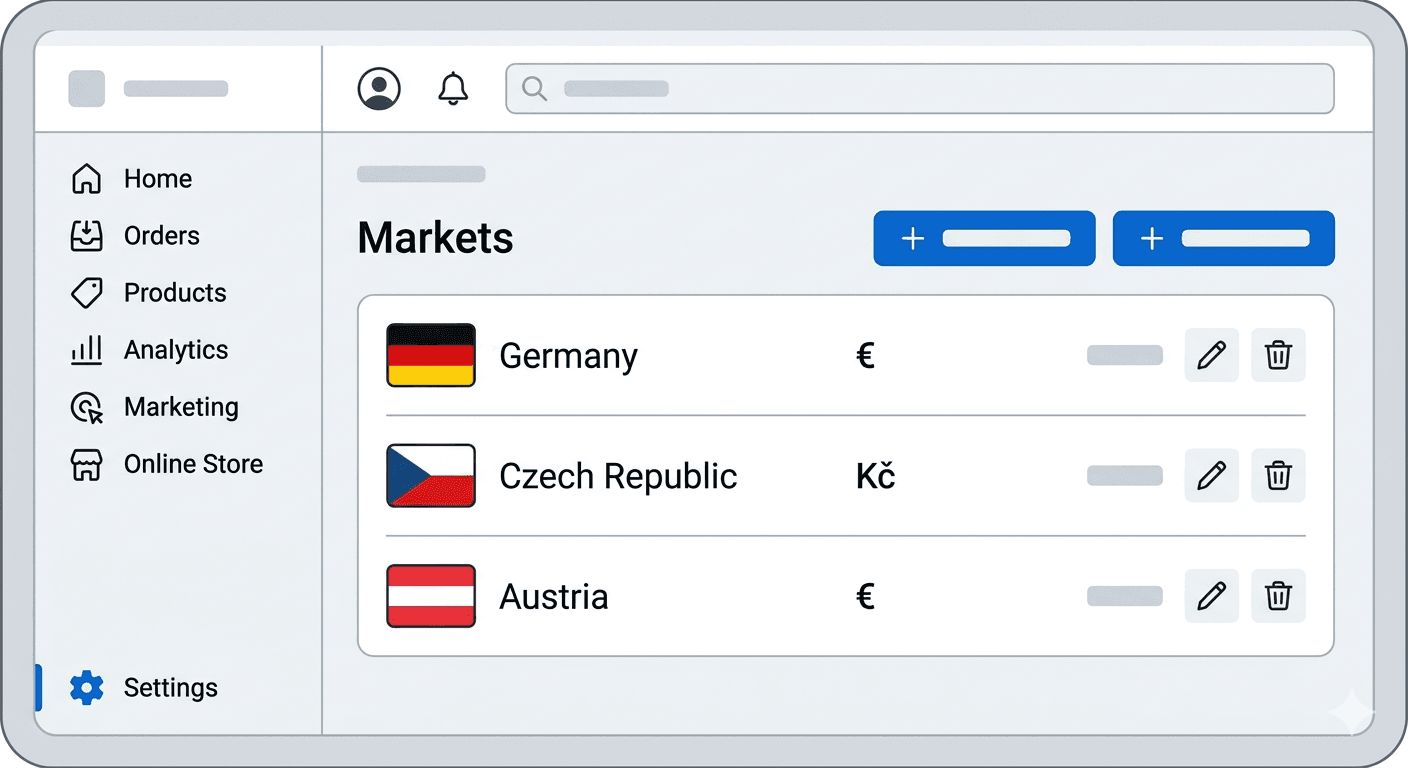
Selected projects
Gumotex
Kategoria
E-commerce
Klient
GUMOTEX Coating s.r.o.
Trvanie
3 months
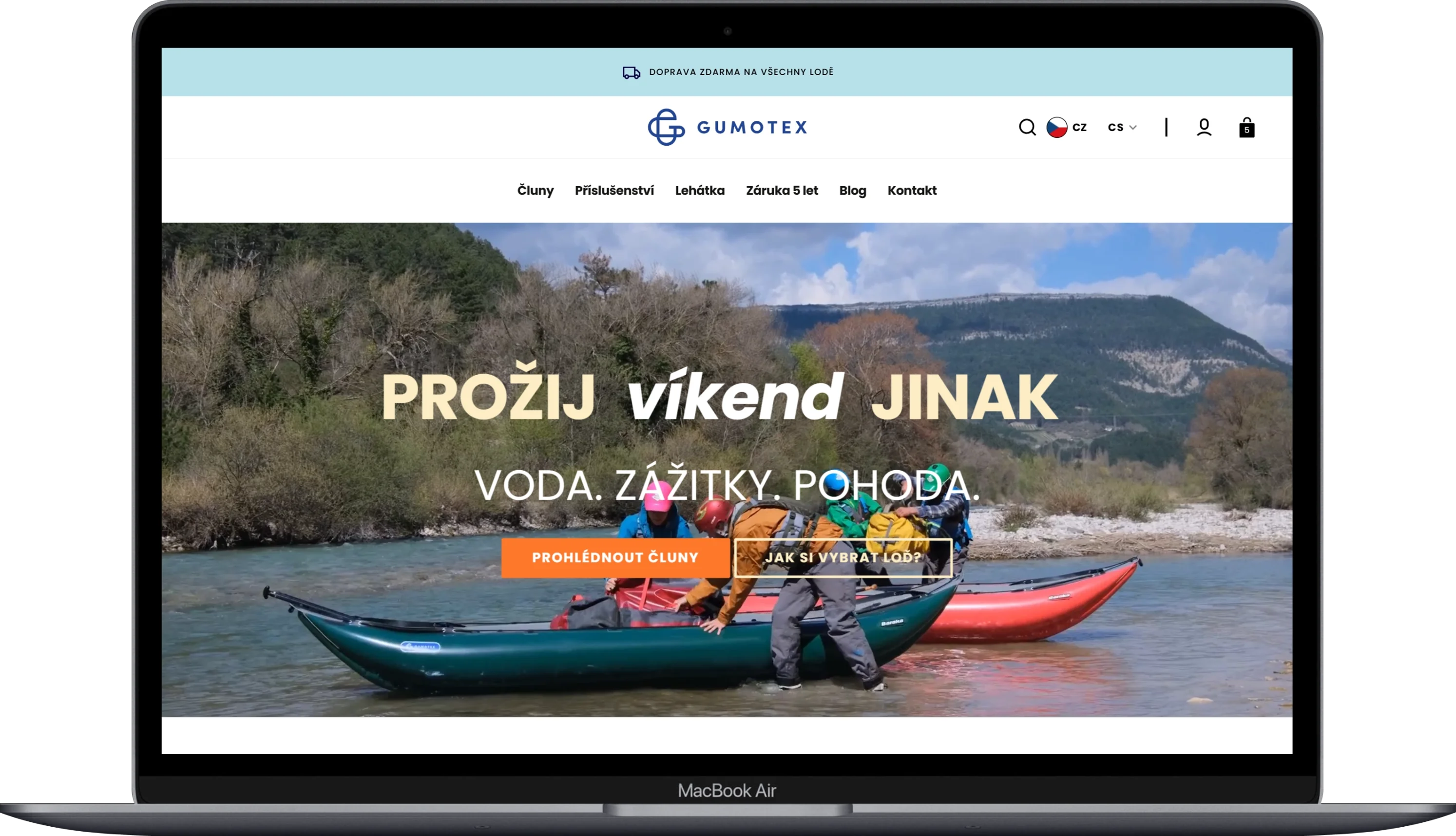
Dr. LUCULLUS
Kategoria
Custom Development
Klient
Dr. Lucullus MEDICAL
Trvanie
March 1, 2025 - present
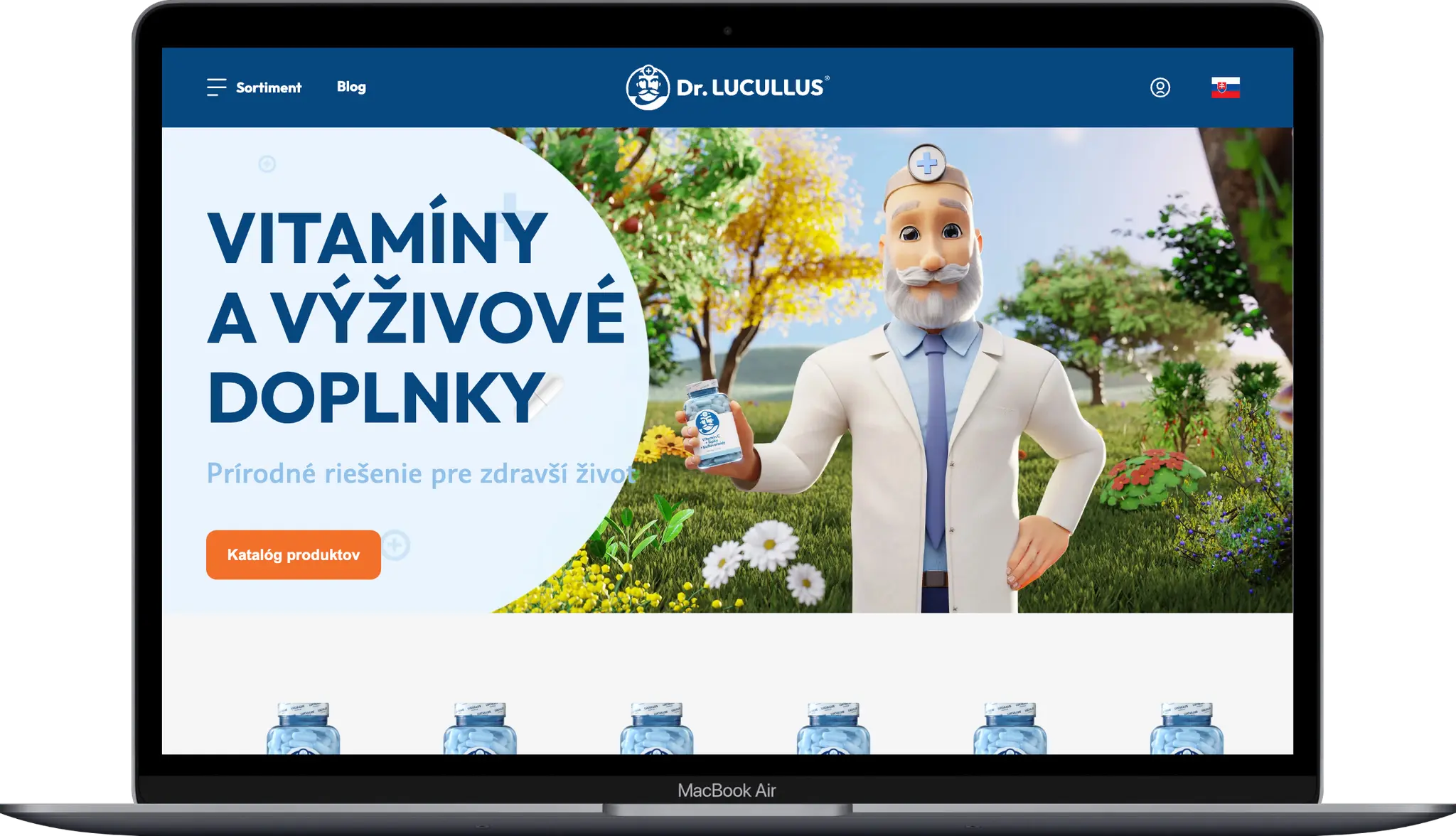
GUMIDECK - Eshop
Kategoria
E-commerce
Klient
GUMIDECK
Trvanie
2 weeks
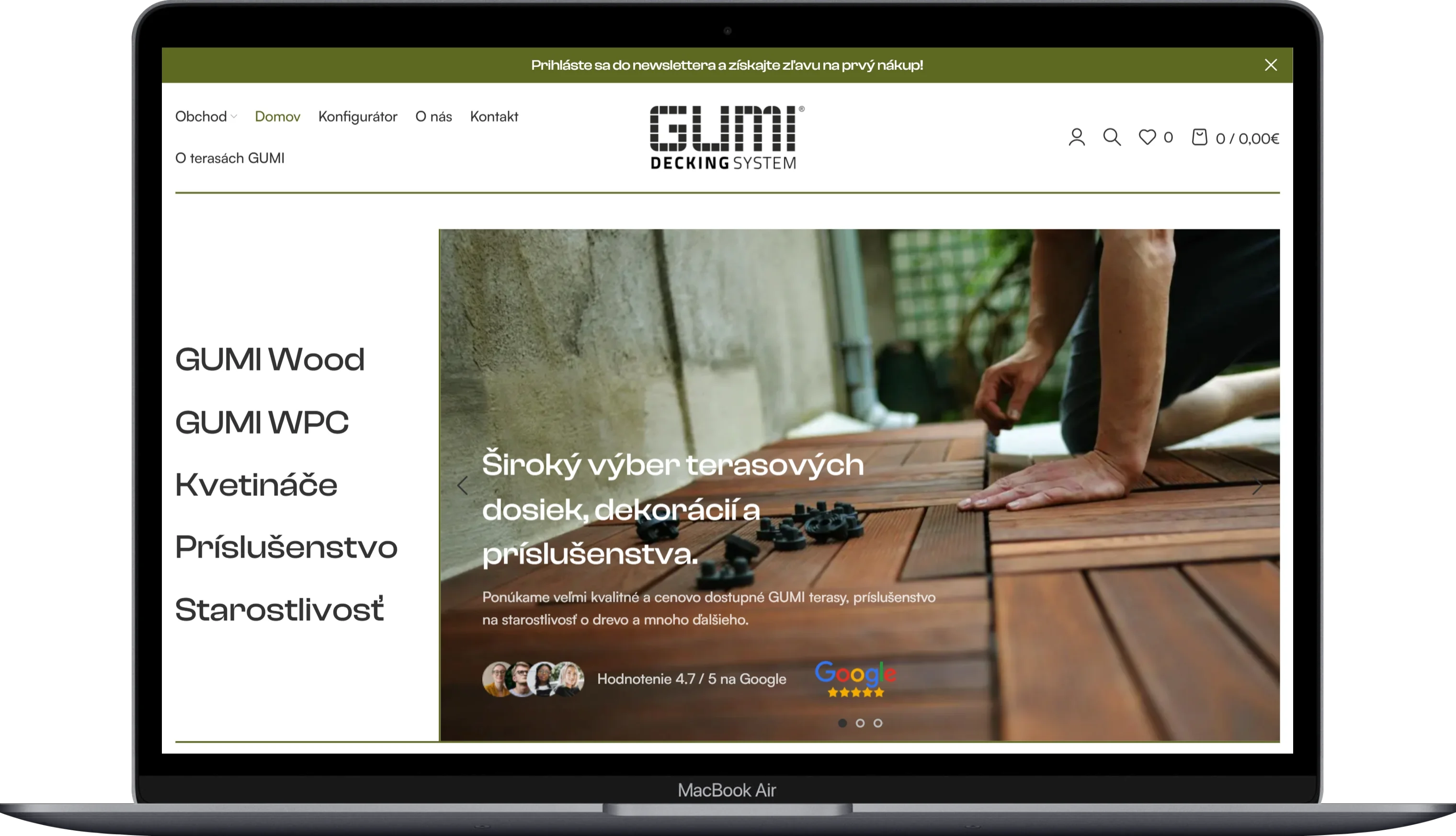
Pneugrup - e-shop
Kategoria
E-commerce
Klient
Pneuservis pod rondlom
Trvanie
2 months