Custom e-shop vs. SaaS platform: What is more worthwhile for you in 2026?

Shopify, WooCommerce, or a custom e-shop? We compare the costs, limits, and advantages of each approach — including the myth of a free e-shop. Find out which solution is worth it for your business.
Shopify, WooCommerce, or custom e-commerce?
If you are planning to sell online, this is probably the first key question you need to answer. Every path has different costs, different limits, and different growth opportunities. In this article, we will compare all the main approaches — including the “free e-shop” options — and help you choose a solution that makes sense for your business.
Three paths to online sales
When you decide to launch your own e-shop, you basically have three options. Each is suited for a different type of entrepreneur, a different budget, and different ambitions.
SaaS platforms (Shopify, BiznisWeb, Wix) — you rent a ready-made solution for a monthly fee. You don't have to worry about hosting or updates, but you are limited by what the platform offers.
Open-source platforms (WooCommerce, PrestaShop, OpenCart) — the software is free, but you need hosting, setup, and someone to put it all together and maintain it.
Custom e-shop — a solution designed exactly according to your needs, from design through features to integrations. The highest investment but also the greatest flexibility.
Let’s take a detailed look at each option.
SaaS platforms: Quick start with clear limits
How it works
SaaS (Software as a Service) means that you rent a finished platform. You do not have to deal with hosting, security, or updates — all of this is provided by the provider. You pay a monthly fee, and in return, you get a functional e-shop that you can build via a visual editor.
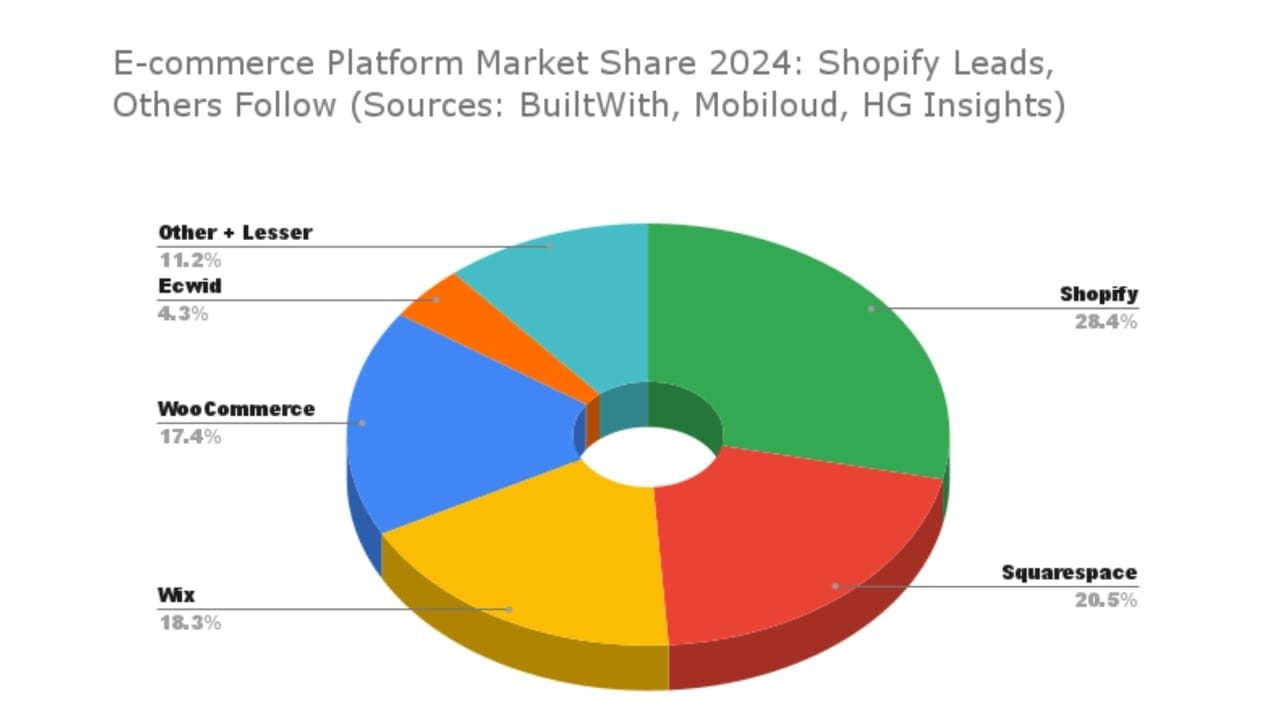
The most popular SaaS platforms on the Slovak and Czech markets are Shopify (global leader with prices starting at €32/month), BiznisWeb (Slovak solution from €69/month), and Wix eCommerce. Some also offer “free e-shop” variants — typically with a limited number of products, the provider's advertising on your site, and no custom domain.
Advantages of SaaS
The biggest advantage is speed. You can launch your own e-shop on a SaaS platform in days, not weeks. You do not need to understand technology — most things can be solved through a drag-and-drop editor. Monthly fees are predictable, and hosting and security are managed by the platform.
Where SaaS hits limits
This is where it gets less pleasant. SaaS platforms are designed to work for the widest possible range of users. This means that they will offer you 80% of what you need — but the remaining 20% that make your business unique, they often cannot cover.
Limited customizability.
You are bound to the templates and features that the platform offers. If you need something special — like a non-standard checkout process, specific logic for B2B pricing, or integration with your ERP — you will hit a wall.
Growing costs.
What looks cheap at the beginning can become expensive. Monthly fees, transaction fees (Shopify charges 0.5 – 2% on every transaction beyond the payment gateway), premium plugins and themes — it all adds up. With a turnover of €10,000/month, SaaS can end up costing you more than a professional solution.
Platform dependency.
Your data, design, and customer base live on someone else's server. If the platform changes the terms, raises prices, or terminates the service, you have a problem. Migrating from SaaS to another platform is always painful.
WooCommerce and open-source: “Free” with asterisk
Alluring promise
WooCommerce is the most widely used e-commerce plugin in the world — it powers almost 40% of all online stores. And it’s free. So are PrestaShop, OpenCart, and other open-source solutions. Many entrepreneurs therefore look for a “free e-shop” and end up at WooCommerce.
However, “free” here does not mean what you might expect.
What “free” really means
The software is free, yes. However, to launch a functional e-shop, you still need hosting (€50 – €300/year), an SSL certificate, a paid theme (€50 – €100), plugins for payment gateways, shipping, and invoicing (tens to hundreds of euros annually) and, above all — time or an expert who will set everything up.
Entrepreneurs who tackle WooCommerce on their own typically spend dozens of hours configuring, solving plugin compatibility issues, and troubleshooting problems they had no idea existed. If your time has any value, a “free e-shop” can quickly become costly.
When WooCommerce makes sense
WooCommerce is a great platform — when it is handled by someone who understands it. In the hands of an experienced agency, WooCommerce is a flexible, scalable, and cost-effective foundation for your own e-shop. The key is to have it set up correctly from the start — security, speed, SEO structure, reliable hosting. This is what makes the difference between an e-shop that earns money and one that just “exists on the internet.”
Custom e-shop: When standard solutions are not enough
Who is custom development for
A custom e-shop is not for everyone — and that’s okay. A custom solution makes sense when your business model, processes, or customer journey require something that no existing platform offers.
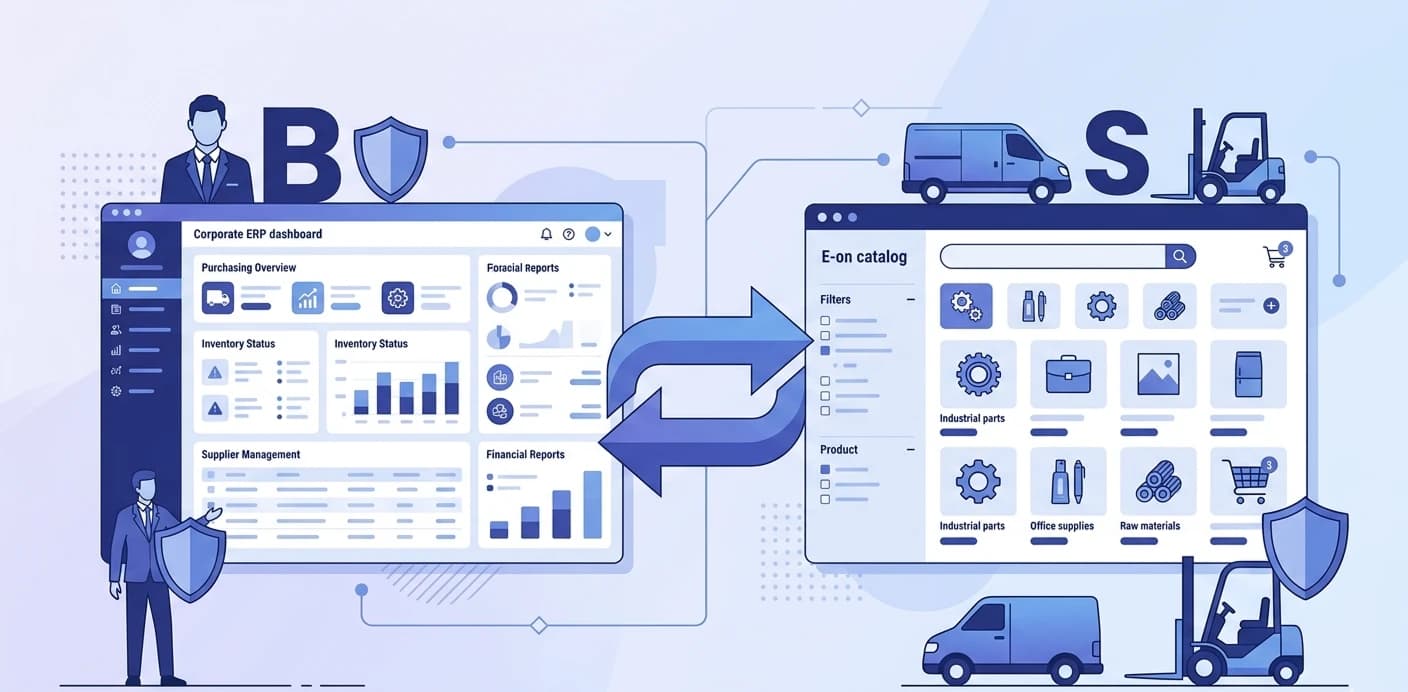
Typical scenarios include B2B e-shops with individualized pricing for different buyers, marketplace models with multiple vendors, e-shops with product configurators, or projects that require deep integration with internal systems (ERP, WMS, CRM).
What you get for it
With a custom e-shop, you have full control over every aspect — from design and UX through features to performance and security. You are not dependent on any platform provider, and your solution exactly mirrors your business processes.
Prices range from €5,000 for simpler custom projects to €30,000+ for complex platforms. It is the highest initial investment, but with the right approach, it also offers the highest return.
When a hybrid is even more sensible
In practice, we most often recommend a hybrid approach — a professionally set up WordPress/WooCommerce or Shopify with custom modifications tailored to the client's needs. You get a proven platform with an ecosystem of plugins, but with design, UX, and features tailored to your needs. Such a custom e-shop combines the advantages of both worlds — the stability of the platform and the uniqueness of custom solutions.
Direct comparison: SaaS vs. WooCommerce vs. Custom
Watch out for hidden costs
When making decisions, most entrepreneurs only look at the initial price. But the real costs of owning an e-shop include much more.
Transaction fees
SaaS platforms often charge a percentage fee on each sale — on top of the payment gateway fee. With a turnover of €5,000/month, this can add up to €50 – €100 extra each month, which totals €600 – €1,200 per year. With WooCommerce and custom solutions, you only pay the payment gateway fee.
Premium features
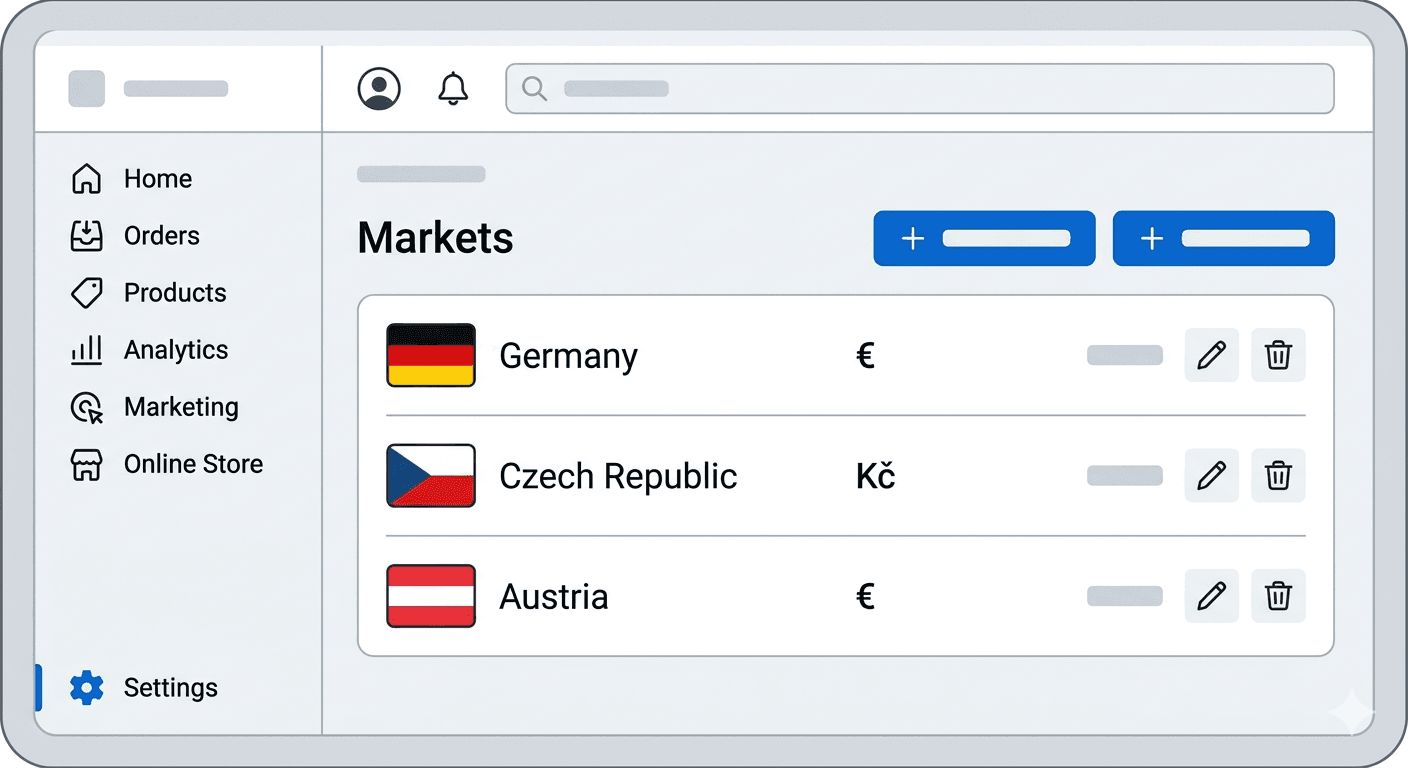
Features that you would expect as standard — such as abandoned cart recovery, advanced discount codes, or multi-language support — are often only available on SaaS platforms in more expensive plans or through paid plugins.
Migration costs
If you start on SaaS and later want to switch, be prepared for migration costs, redesign costs, and URL redirecting for SEO. A poorly managed migration can cost you months of organic traffic.
Total cost over 3 years
When you add up all the costs for three years of operation, a professional solution from an agency often ends up being comparable — or even cheaper — than a SaaS platform with premium plugins and transaction fees. And that doesn't even factor in the value that comes from better conversion, stronger SEO, and unique design.
What about AI in 2026?
Artificial intelligence in 2026 significantly changes the balance between these approaches. AI tools automate the creation of content, product descriptions, images, and marketing campaigns. This means that an agency can deliver significantly more for the same budget — better content, faster launches, and higher quality optimization.
However, AI will not replace the strategic part — selecting the right platform for your business, designing converting UX, technical SEO, integrations with systems, and long-term maintenance. This is where investment transitions to profit.
So what should I choose?
The answer depends on where you are and where you are heading.
A SaaS platform may make sense if you are testing an idea, have a minimal budget, and do not need anything special. But be aware of the limits — as your business starts growing, these limits will catch up with you.
Professionally set up WooCommerce or Shopify is the optimal choice for most small and medium enterprises. You get your own e-shop with design and features customized to your brand, full ownership of data, and room for growth. This is the most common solution we recommend to clients.
A custom e-shop is the way for projects where standard platforms simply do not suffice. If you have a unique business model, specific integrations, or the ambition to build a large e-commerce platform, custom development will give you full control.
And what about a “free e-shop”? If you are serious about business, free does not exist. There are only solutions where you pay with money, and solutions where you pay with time and lost opportunities. Investment in a professional e-shop will pay off in the form of higher revenues, better customer experience, and a stronger brand.
Not sure which path is right for you? We would be happy to discuss your project with you and help you find a solution that fits your business and budget.
Latest articles
Selected projects
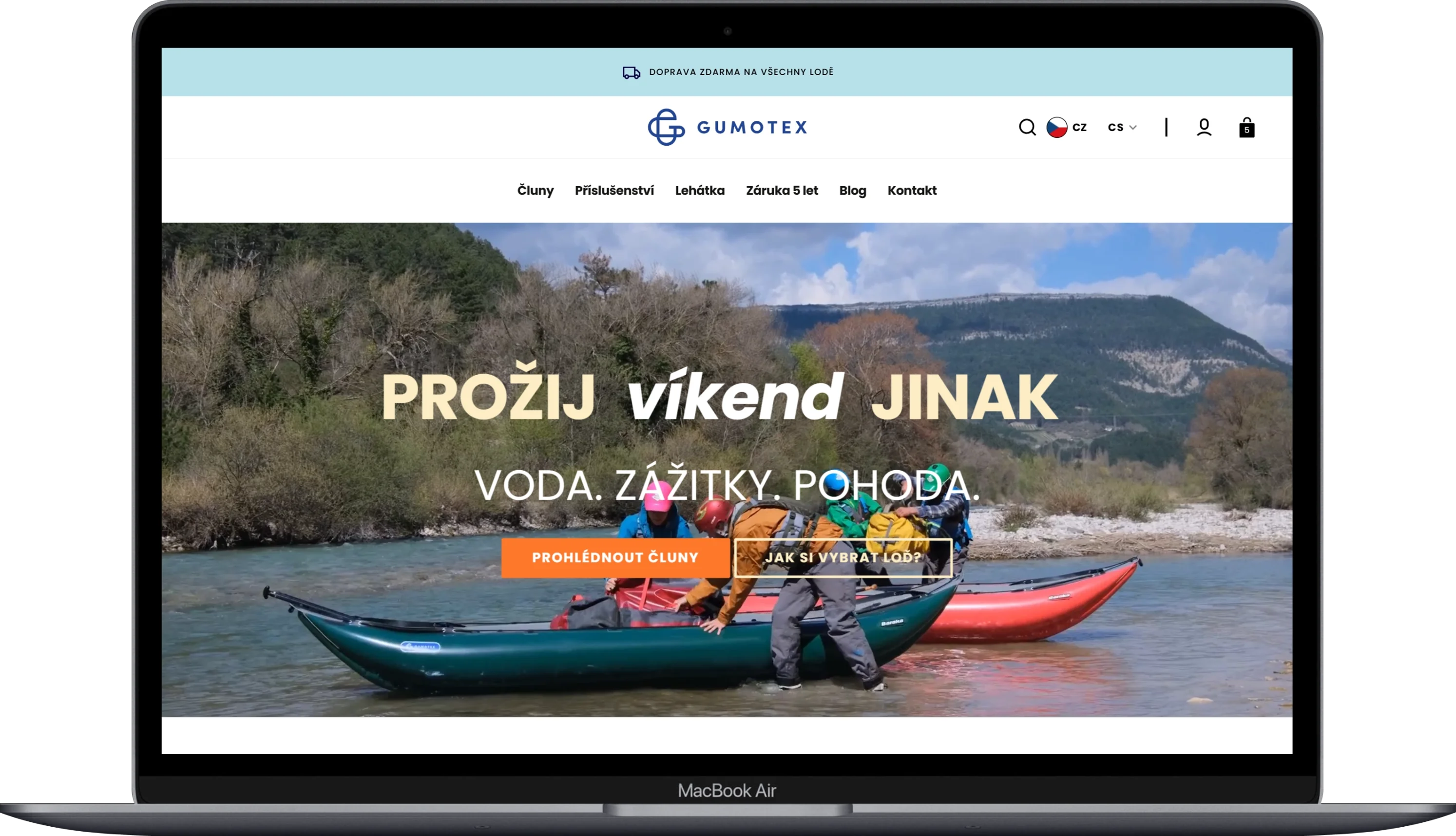
Gumotex
Kategoria
E-commerce
Klient
GUMOTEX Coating s.r.o.
Trvanie
3 months
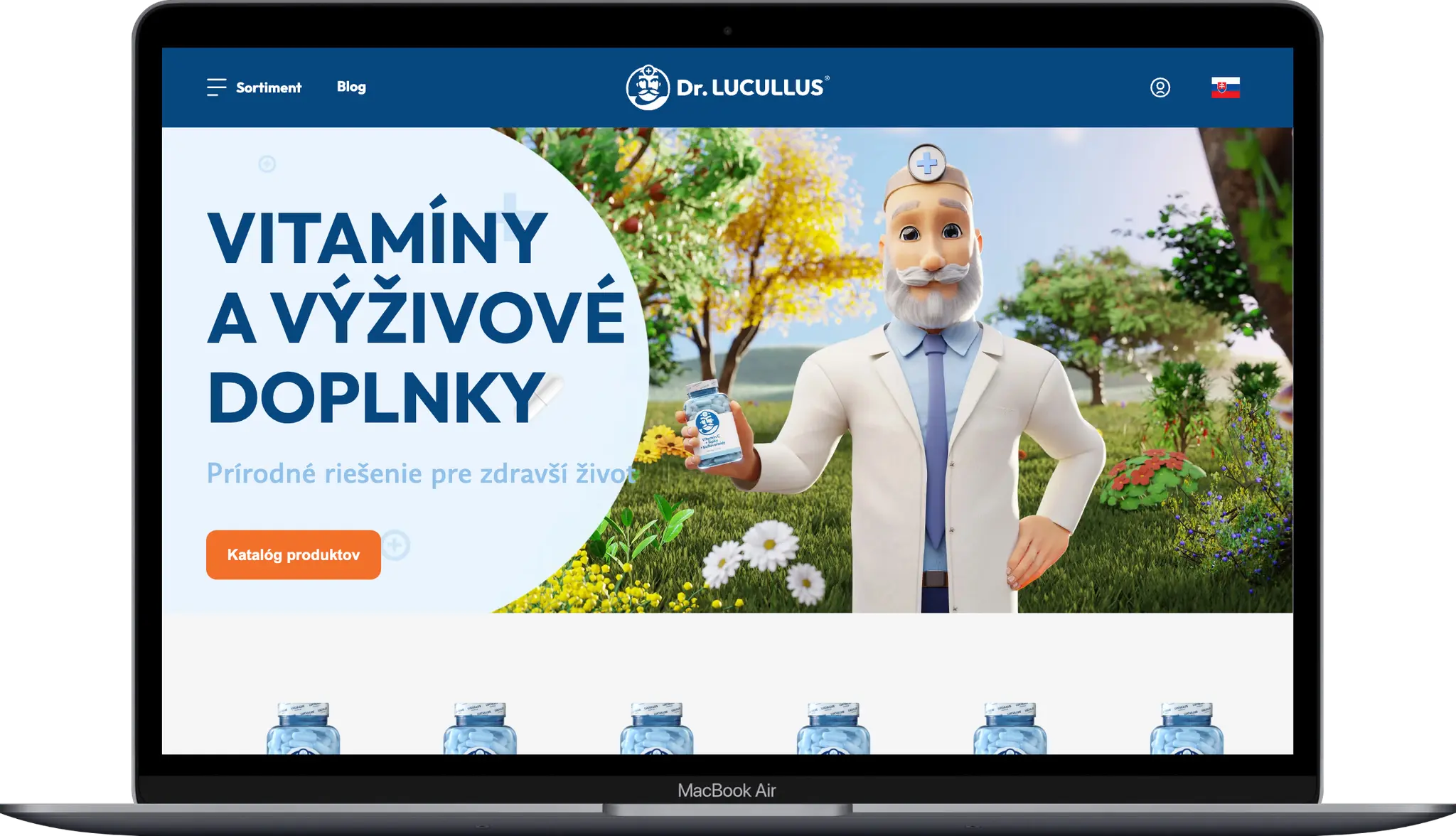
Dr. LUCULLUS
Kategoria
Custom Development
Klient
Dr. Lucullus MEDICAL
Trvanie
March 1, 2025 - present
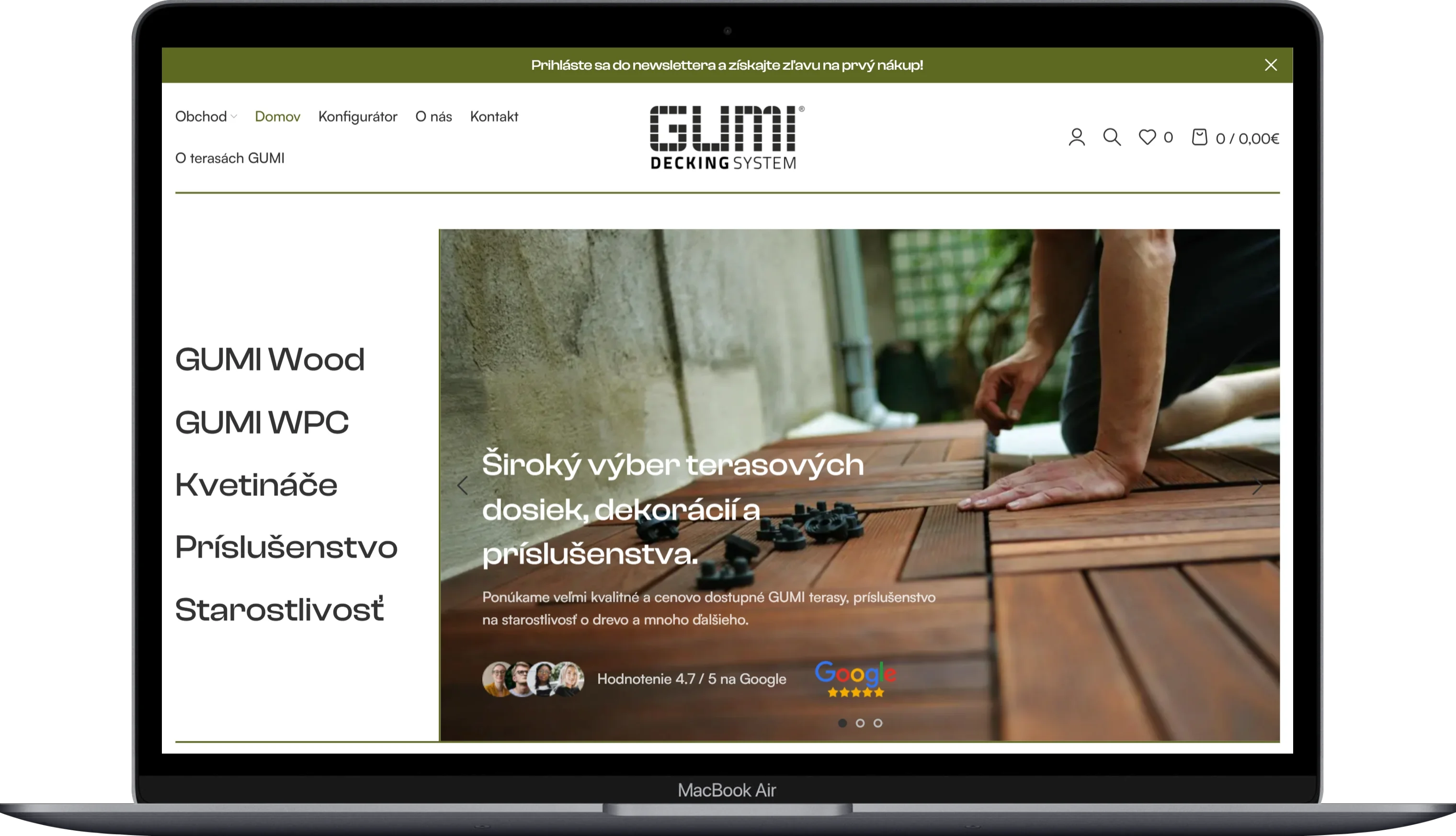
GUMIDECK - Eshop
Kategoria
E-commerce
Klient
GUMIDECK
Trvanie
2 weeks
Pneugrup - e-shop
Kategoria
E-commerce
Klient
Pneuservis pod rondlom
Trvanie
2 months