Custom B2B e-shop: Why your corporate customers expect the same experience as on Alza, but with a completely different logic behind it

Corporate buyers are used to the convenience of Amazon and Alza. When they open your B2B portal and encounter a PDF price list and ordering via email, they will leave for the competition. See what a modern B2B e-shop really requires.
B2B eshop tailored to your needs: Why your corporate customers expect the same experience as on Alza, but with completely different logic behind it
Imagine that your business director orders shoes on Alza in the evening. Three clicks, card payment, delivery tomorrow. In the morning, they arrive at work and need to order materials from your B2B supplier. They open the website, find a PDF price list from the last quarter, have to send an email with a request, and wait three days for a response. The same person, two completely different experiences.
This is not an exception. It is the standard that most B2B buyers encounter in Slovakia. And that is precisely why more and more companies are losing customers without knowing why.
According to Gartner research, up to 80% of B2B sales interactions between suppliers and buyers take place in digital channels. Gartner At the same time, 75% of B2B buyers are willing to switch suppliers if they find a more intuitive and seamless digital experience. Experro In the B2B segment, where the value of a single order can be ten times higher than in B2C, losing even one customer due to a poor website means a significant hit to revenues.
What is a B2B eshop and why a regular WooCommerce is not enough
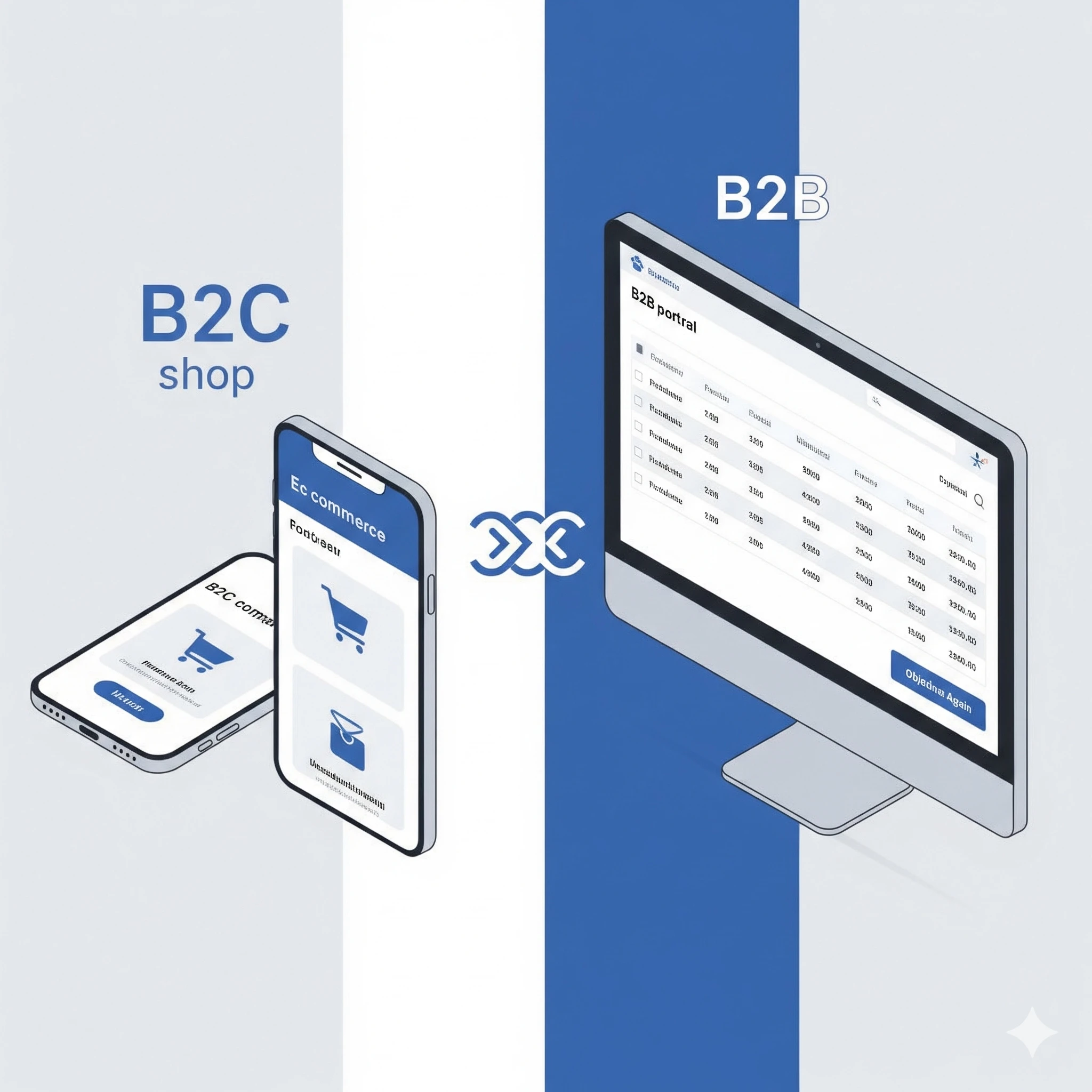
A B2B eshop is not just a webshop with larger orders. It is a digital sales channel that must handle a completely different logic than a standard consumer eshop.
While in B2C the individual makes purchases and decides on the spot, in B2B every buyer acts on behalf of the company and often requires approval from other people. Price lists are individual, contractual, and volume-based. The purchasing cycle begins with a request or RFP, continues with negotiations, and ends with an order. Shopify
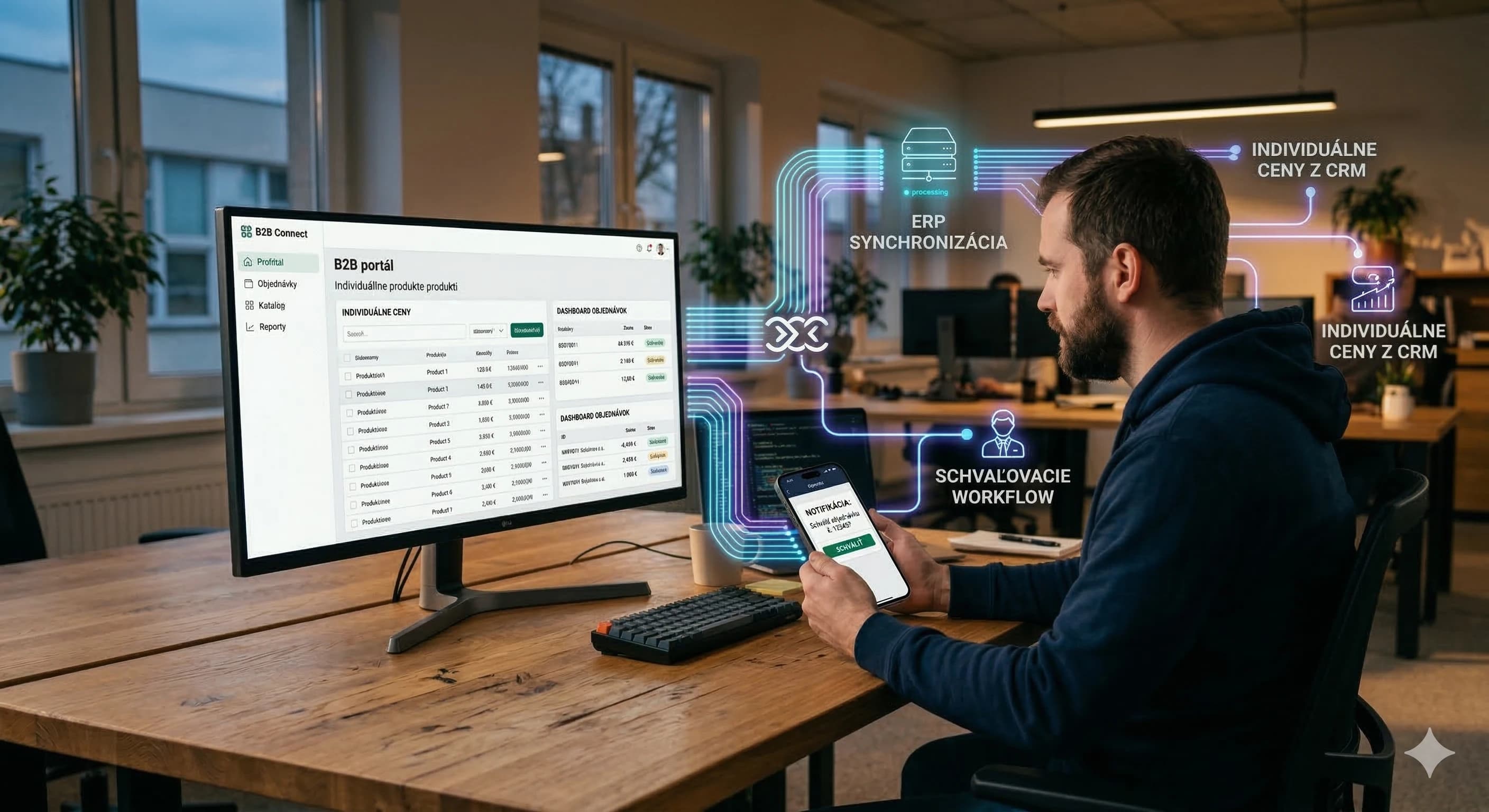
A regular WooCommerce template simply cannot cover this. You need a tailor-made solution that understands that behind one corporate account can be five people with different permissions, that each of them sees different prices, and that an order of 15,000 euros must go through internal approval before it is dispatched.
Feature #1: Individual prices and catalogs
In B2C, every customer has the same price. In B2B, it is exactly the opposite. Your largest customer has a 40% discount, a mid-tier partner 20%, and a new customer pays the list price. All of this must be handled automatically by the website.
Each buyer can see different prices based on volume commitments, contractual terms, or the history of the relationship with the company. Storetasker A modern B2B portal displays to each logged-in user exactly the price list, catalog, and assortment that belongs to them. No manual inquiries, no waiting for a salesperson.
According to statistics from Coalition Technologies, up to 39% of B2B buyers indicate a lack of personalization as one of the main reasons for dissatisfaction with the supplier. Coalition Technologies And 87% of customers are willing to pay more for a personalized experience. Coalition Technologies
Feature #2: Approval processes and corporate accounts
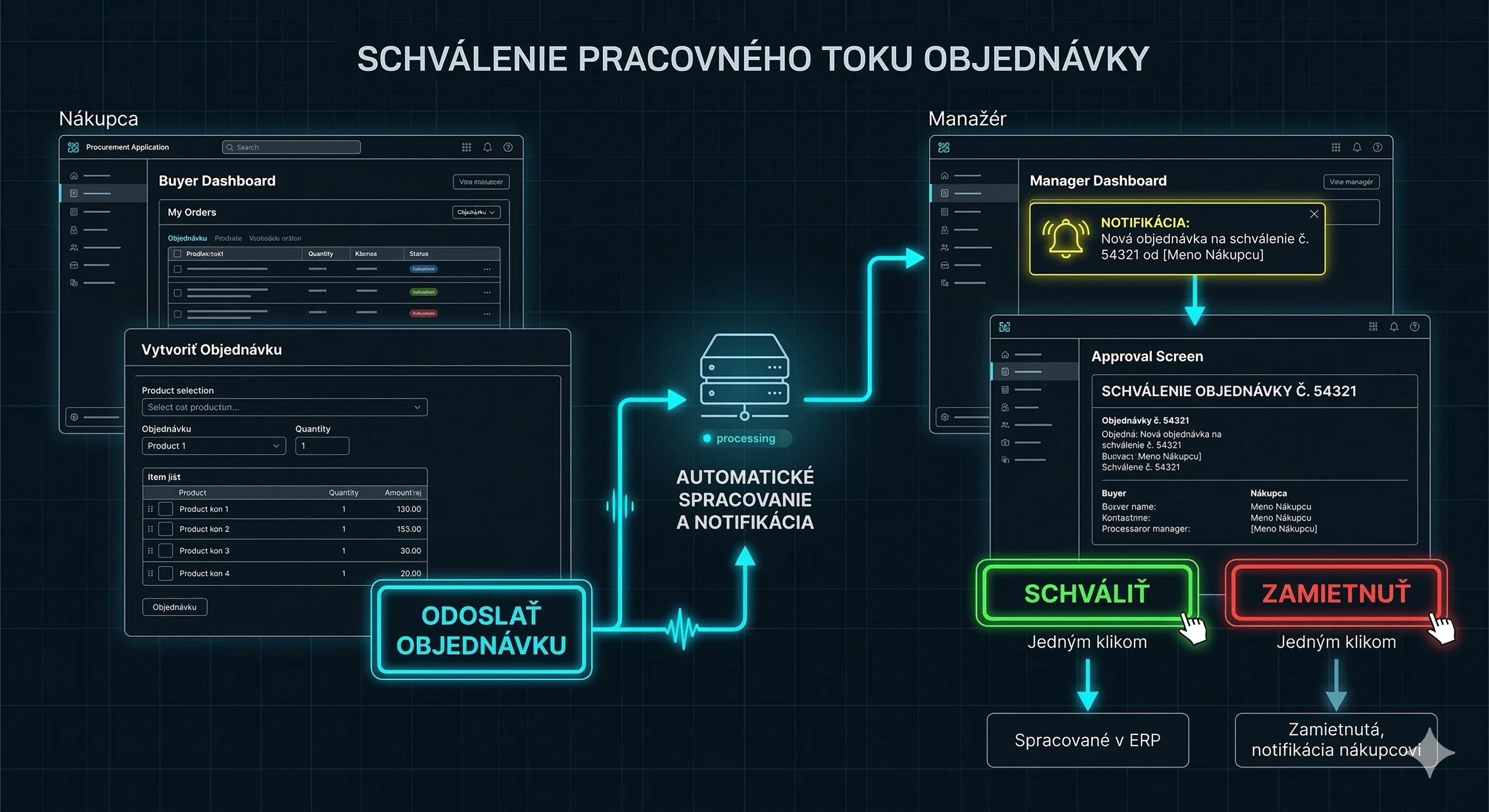
In the consumer eshop, the customer clicks "Buy" and it's done. In B2B, it doesn't work like that. An order for thousands of euros usually needs approval from a superior or the finance department.
B2B platforms must support multi-level approval workflows, where the platform automatically suspends the order according to set rules (e.g., when a certain amount is exceeded) and redirects it to the appropriate approver based on their role in the organization. Shopify
According to experiences from implementations on the Shopware platform, automated approval processes shorten order processing time from days to hours, which directly accelerates cash flow. Atwix Simultaneously, shifting regular tasks to a self-service portal reduces the volume of support tickets by 40 to 60%.
Feature #3: Bulk orders and repeat purchases
B2B buyers do not make one-time purchases. They order regularly, often the same items in large quantities. If your website does not allow them to quickly add 50 SKUs to the cart or repeat a previous order with one click, they will be frustrated.
In B2B ecommerce, buyers rarely make one-time purchases. They order in bulk, regularly, and often follow established purchasing processes that include approvals, templates, and repeated lists. Spree Commerce Modern solutions therefore offer bulk adding via CSV upload, saved order templates for repeat purchases, and a "Reorder" button in the order history.
According to BigCommerce, the ability to easily find products is the most important feature of online shopping for 27% of American B2B buyers. BigCommerce Therefore, advanced search with filters according to technical specifications is just as important as the catalog itself.
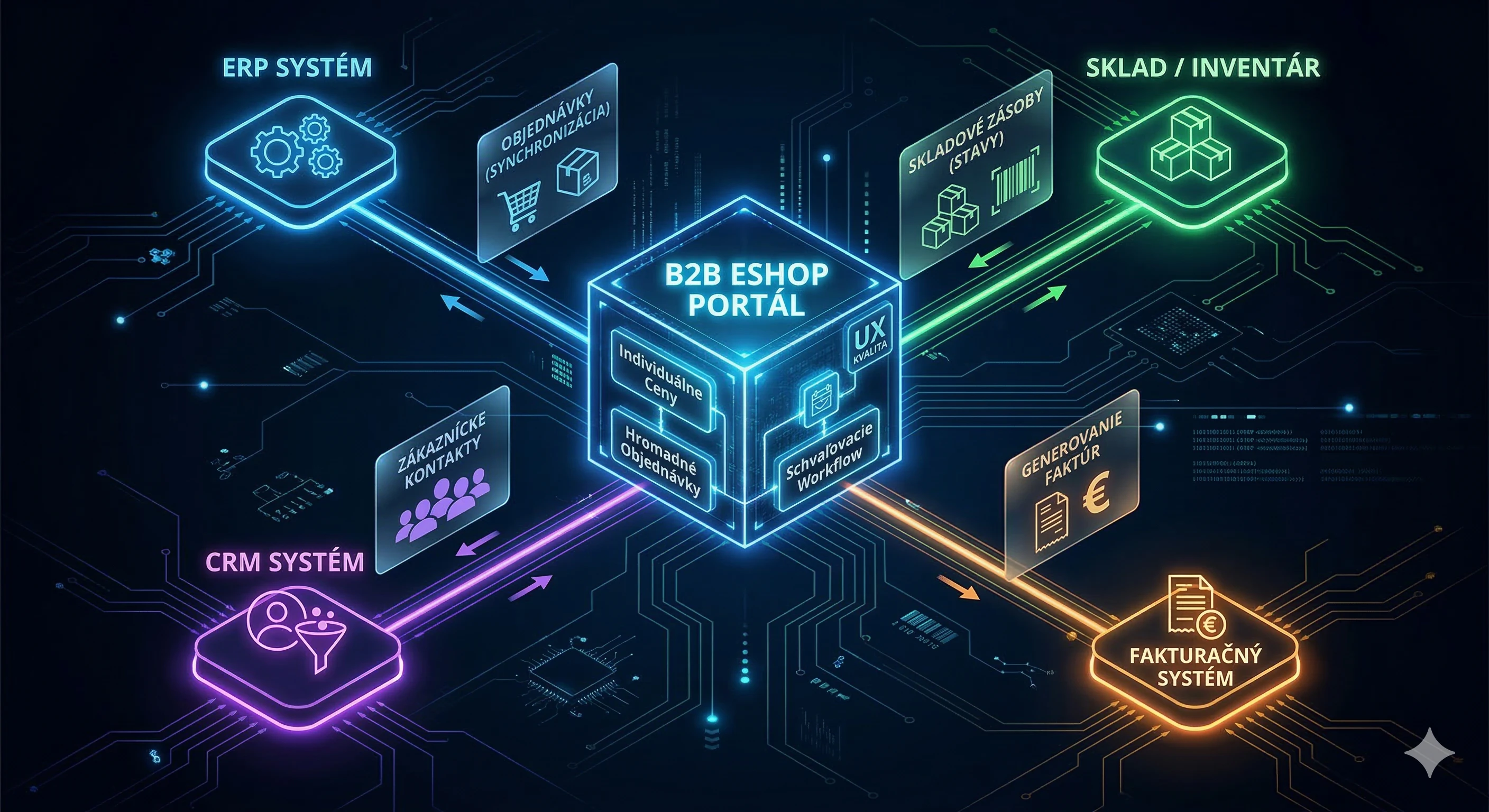
Feature #4: Integration with ERP and internal systems
B2B eshop cannot exist as an isolated website. It must be connected to the systems that the company actually uses to manage inventory, accounting, and customer relationships.
Adobe Commerce (and similar enterprise solutions) allow you to manage corporate accounts, contractual price lists, bulk orders, and approval processes with direct integration into business systems. deftsoft Integration with ERP ensures that the customer on the web sees current stock levels, their order is automatically transferred to the invoicing system, and the shipment is initiated without manual intervention.
Without this integration, your team spends hours manually transcribing orders and checking stock status. With it, the entire process runs automatically.
Feature #5: Self-service portal for customers
The times when a B2B customer had to call a salesperson to check the status of an order or invoice are over. Today's buyers want the same autonomy they have when shopping in person.
According to the Demand Gen Report, more than two-thirds of today's B2B buyers are millennials or Generation Z, bringing their B2C expectations into their professional lives. Demand Gen Report
Forrester found that two-thirds of B2B buyers expect even higher levels of personalization from work tools than from personal shopping. Demand Gen Report
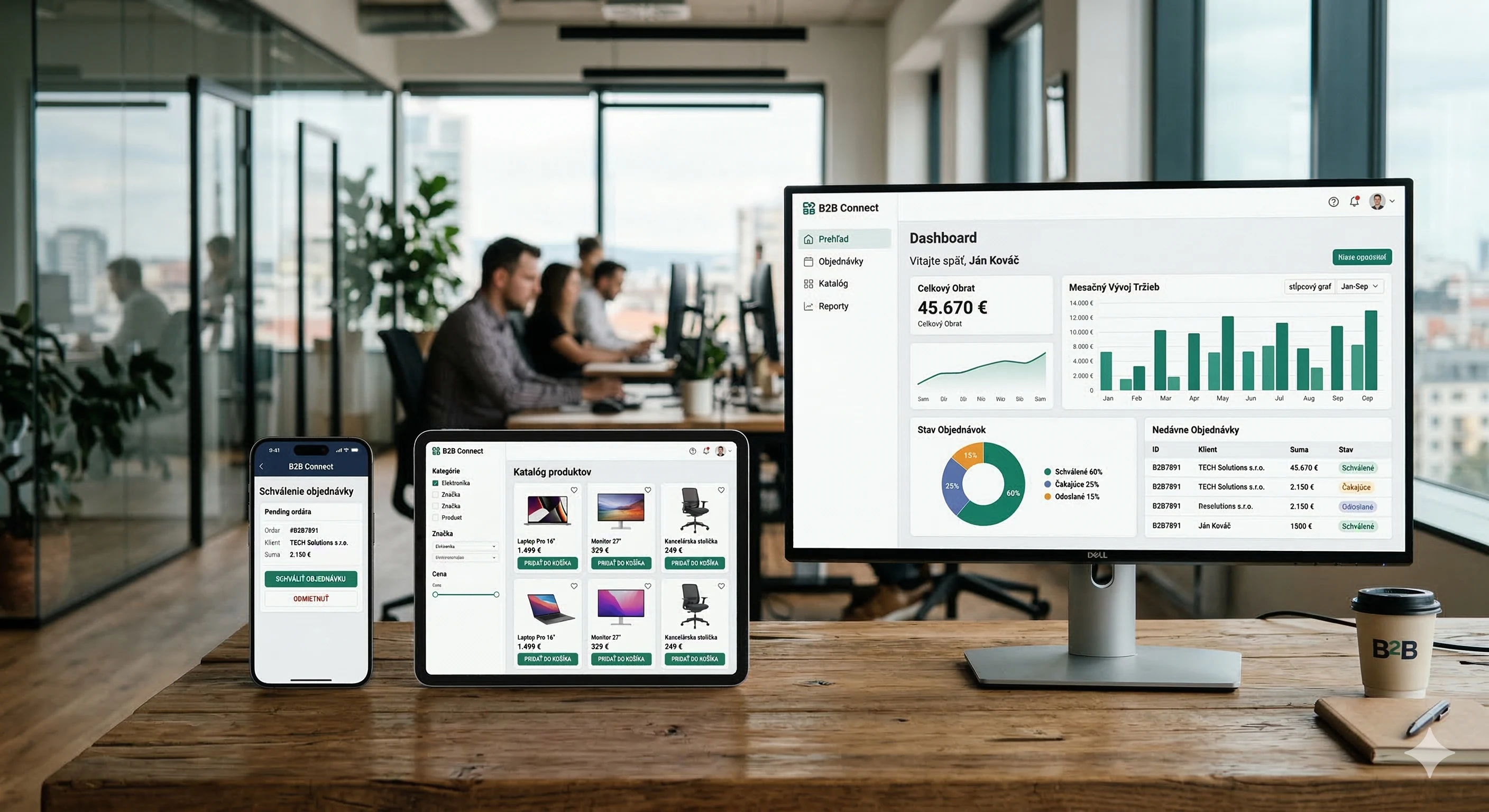
A self-service portal should allow the customer to track order status in real-time, review purchase history, easily repeat orders, download invoices and documents, manage corporate accounts and user roles, and communicate with support directly via the portal.
A mobile experience is not a bonus, it’s a necessity
Up to 78% of global B2B buyers wish their suppliers would offer a better mobile experience. BigCommerce A buyer in a warehouse checks inventory on their phone and needs to quickly reorder materials. A sales representative at a client's location shows the catalog on a tablet. A manager approves an order on the way to a meeting.
If your B2B portal is not fully responsive and optimized for mobile devices, you are missing out on situations where decisions are made the fastest.
Why a "regular eshop with customizations" is not enough
Many companies try to address B2B needs by taking an off-the-shelf WooCommerce or Shopify eshop and installing plugins for individual pricing, bulk orders, and invoicing. On paper, it looks economical. In practice, it leads to problems.
Platforms originally designed for the consumer market with additional B2B functionalities often suffer from instability, slow performance, and conflicts between plugins. WizCommerce There is a difference between a plugin that adds a field for the company ID and a system that natively understands corporate accounts, approval processes, and contractual price lists.
A custom B2B solution built from the ground up on the right architecture costs more upfront, but in two years, the investment pays off through higher efficiency, less manual labor, and more satisfied customers who won’t leave for competitors.
How we approach B2B eshop creation
The process begins with analyzing the client's business processes. We need to understand how the order cycle works today, who the buyers are, what pricing models the company uses, and what systems the eshop needs to communicate with.
Based on this analysis, we design the architecture of the solution in Figma, where the client sees the complete user flow before the first line of code is written. Technically, we build on WordPress with WooCommerce for simpler B2B scenarios or on custom solutions for more complex needs. Always with a focus on SEO optimization, loading speed, and mobile responsiveness.
According to a Shopify survey in collaboration with B2B Online and Deloitte Digital, 73% of respondents noted an increased demand for digital B2B sales channels, but only 20% feel prepared for the future. Shopify Companies investing in the right digital solution now will gain a significant competitive advantage.

Conclusion: A B2B eshop is not a luxury, it is a competitive necessity
Your corporate customers no longer wait for you to adapt. 73% of B2B buyers prefer to buy online Experro and if your website cannot provide individual pricing, easy repeat orders, and approval processes, they will find a supplier who can.
Investing in a custom B2B eshop is not just about the technology. It is about giving your customers a tool that will make them want to trade with you for another ten years.
Latest articles


Selected projects
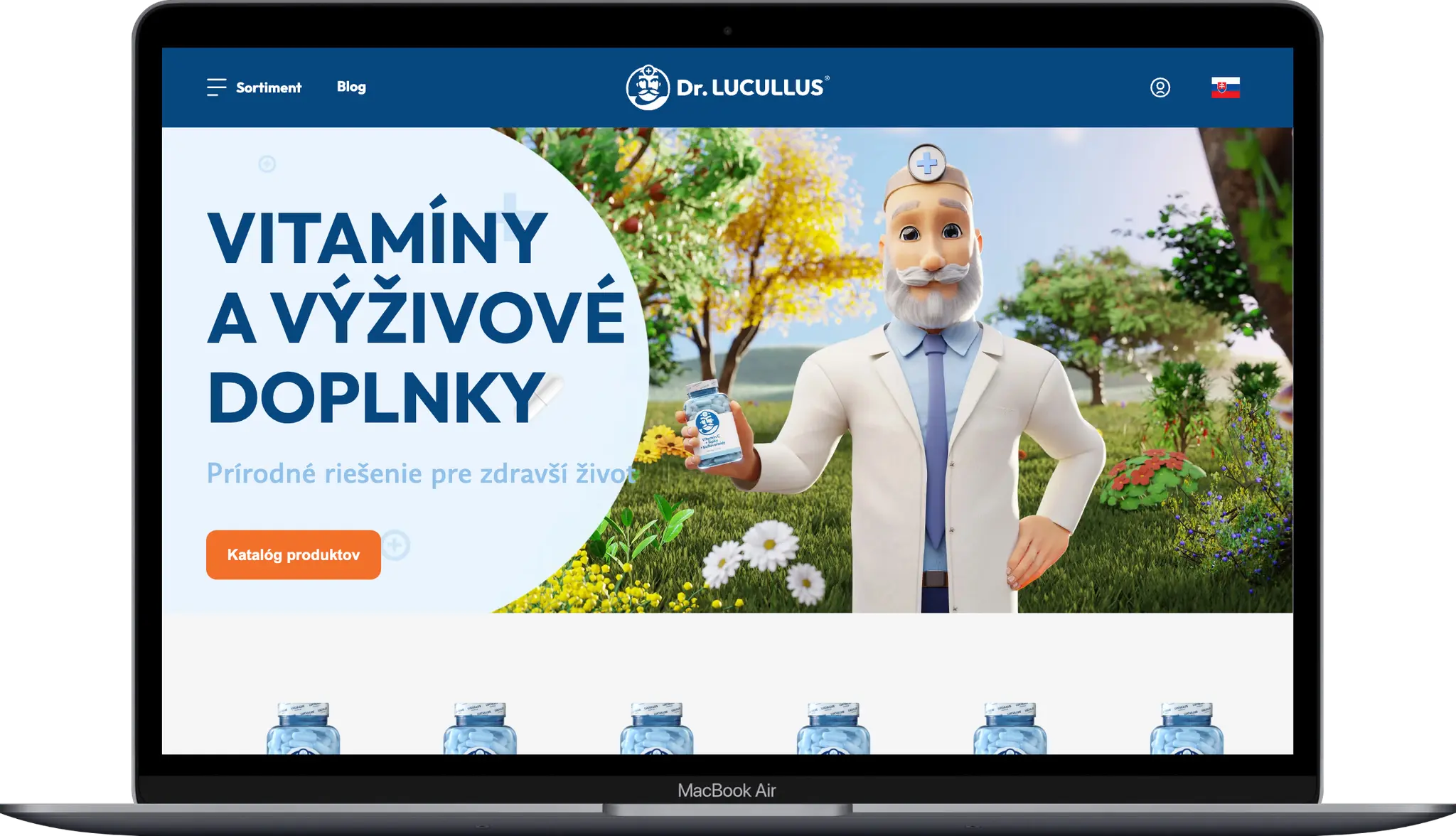
Dr. LUCULLUS
Kategoria
Custom Development
Klient
Dr. Lucullus MEDICAL
Trvanie
March 1, 2025 - present
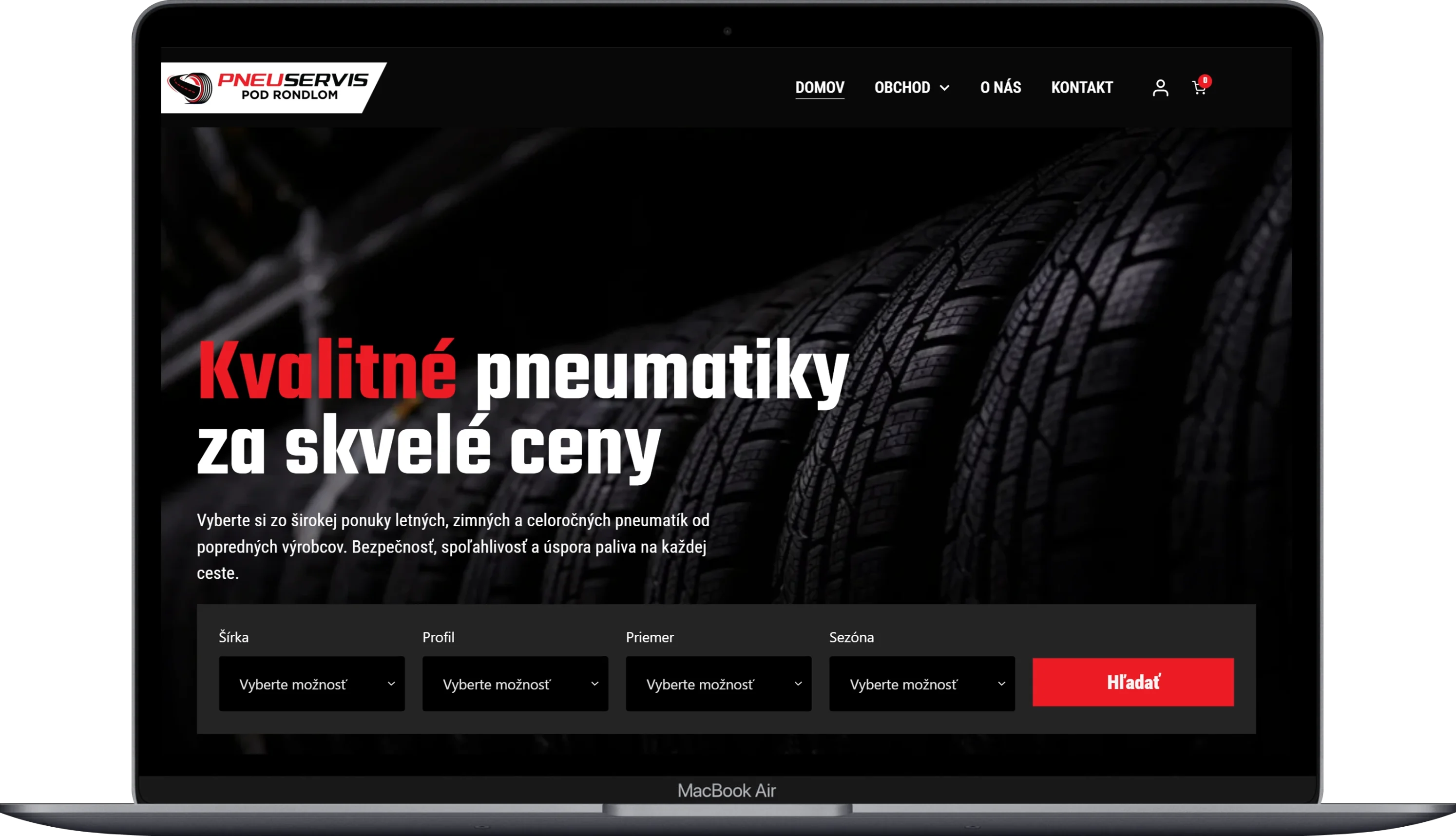
Pneugrup - e-shop
Kategoria
E-commerce
Klient
Pneuservis pod rondlom
Trvanie
2 months
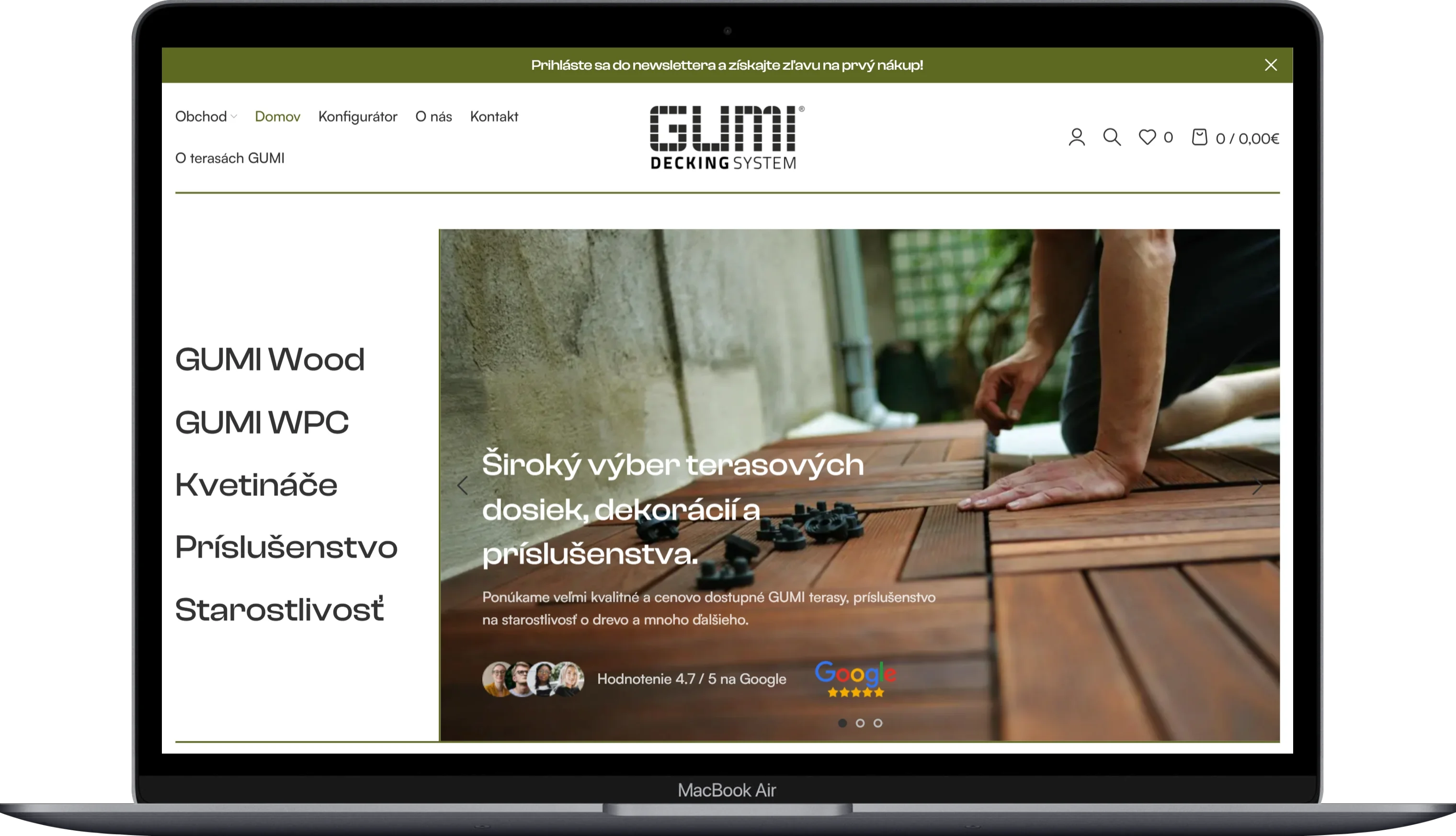
GUMIDECK - Eshop
Kategoria
E-commerce
Klient
GUMIDECK
Trvanie
2 weeks
Dolce Felicita
Kategoria
E-commerce
Klient
Dolce Felicita
Trvanie
5 weeks